Blogs
Eustachian Tube Function Test: How It Helps Detect Ear Pressure Problems
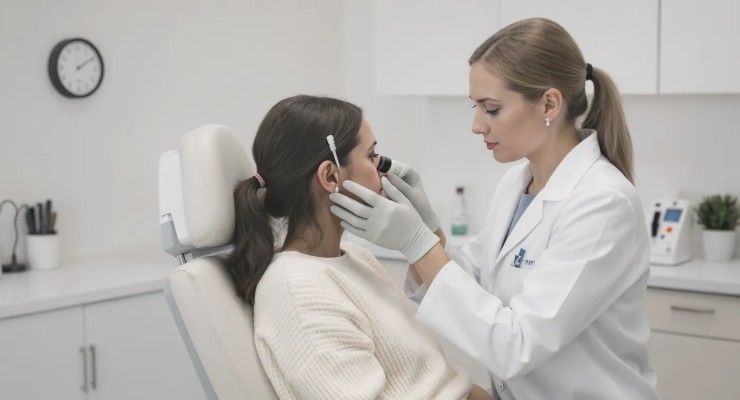
If you feel ear fullness, popping or pain during flights or when you have a cold, your doctor may recommend a eustachian tube function test. This simple clinic-based assessment shows how well your middle ear equalises pressure and it helps detect the cause of ear pressure problems early. In this blog you will learn what the Eustachian tube does, when a eustachian tube function test is needed, what happens during the visit and how results guide treatment. For personalised ENT evaluation in Kerala you can start with a visit to Ascent Hospital.
Understanding the Eustachian Tube
The Eustachian tube is a narrow channel that connects the middle ear to the back of the nose and upper throat. It opens for a moment when you swallow or yawn, then closes again at rest.
What it Does for Your Ears
-
Equalises air pressure on both sides of the eardrum so sounds stay clear
-
Drains mucus and keeps the middle ear clean
-
Protects the middle ear from infections that start in the nose and throat
What Causes Eustachian Tube Dysfunction
When the tube does not open or close properly, pressure cannot equalise and fluid may collect. Common triggers include allergies, viral colds, chronic sinusitis, laryngopharyngeal reflux, tobacco smoke exposure, rapid altitude change while flying or diving, enlarged adenoids in children, nasal polyps and less commonly growths around the nasopharynx in adults. Symptoms include ear blockage, discomfort, crackling, muffled hearing, tinnitus and sometimes dizziness. Untreated dysfunction can lead to middle ear fluid, recurrent infections, eardrum retraction and barotrauma.
What is a Eustachian Tube Function Test
During a eustachian tube function test your ENT doctor checks how the tube opens and closes and how your eardrum responds to pressure changes. The test set is painless and usually takes less than 30 minutes. No needles or anesthesia are required.
Common Eustachian Tube Function Test Methods
| Test or exam | What it checks | What you will feel | Typical time |
|---|---|---|---|
| Otoscopy and pneumatic otoscopy | Eardrum position and mobility | A light in the ear and gentle puffs of air | 2 to 3 minutes |
| Tympanometry with swallow or Valsalva maneuvers | Middle ear pressure and compliance while you swallow or gently blow with nose pinched | A soft tip seals the ear canal and you may feel brief pressure changes | 3 to 5 minutes |
| Sonotubometry | Whether the tube opens by tracking a sound signal during swallowing | Headphones and a soft tone while you swallow | 5 to 10 minutes |
| Tubomanometry | Opening pressure of the tube using a gentle nasal probe | Mild nasal pressure during short puffs | 5 to 10 minutes |
| Nasal endoscopy | The opening of the Eustachian tube at the back of the nose and any swelling | A thin scope in the nose after numbing spray | 3 to 5 minutes |
| Pure tone audiometry | Any hearing loss from middle ear fluid or negative pressure | Listening to tones in a quiet booth | 10 to 15 minutes |
Not every patient needs all of these. Your ENT specialist will choose the most appropriate combination based on history and ear exam.
When Should You Get the Test
Your ENT may suggest a eustachian tube function test if you have:
-
Persistent ear pressure, popping or muffled hearing for more than four weeks
-
Recurrent ear infections or middle ear fluid
-
Difficulty clearing ears on flights or while diving
-
Ear pain after altitude change or a suspected ear barotrauma
-
Planned ear surgery where pressure problems could affect outcomes
-
Children with speech delay or hearing concerns linked to ear fluid
How to Prepare and What to Expect
Before your eustachian tube function test, tell your doctor about current medications, pregnancy, heart or lung problems, recent colds and any ear discharge. Ask whether to pause decongestants or antihistamines before testing. Avoid vigorous autoinflation on the day of the visit unless your doctor advises it.
What happens in the clinic:
-
Brief history and ear exam with an otoscope
-
Tympanometry and ETF maneuvers while you swallow or gently blow
-
Hearing test if needed
-
Nasal endoscopy if the nose or adenoids may be involved
The eustachian tube function test usually feels like mild pressure changes in the ear that pass quickly. Your ENT will review your eustachian tube function test results and explain what they mean for your symptoms and hearing.
Treatment and Surgery Options Based on Results
Your plan will match the cause and severity shown by testing.
Conservative treatments
-
Allergy control with intranasal corticosteroid sprays and allergen avoidance
-
Saline nasal irrigation for sinus health
-
Short courses of decongestants in select adults, used with medical advice
-
Autoinflation techniques using a nasal balloon device for select cases
-
Reflux management and lifestyle changes like smoking cessation
-
Flight and dive strategies like frequent swallowing and pressure equalisation methods
Procedures your ENT surgeon may consider
-
Tympanostomy tubes for persistent middle ear fluid or barotrauma risk
-
Balloon dilation of the Eustachian tube in adults with chronic obstructive dysfunction that is refractory to medical therapy.
-
Adenoidectomy in children when enlarged adenoids contribute to blockage
-
Tympanoplasty if long-standing negative pressure has caused eardrum damage
If testing reveals significant hearing loss unrelated to middle ear pressure, your ENT may discuss hearing aids and advanced options like cochlear implantation. Learn more about a leading Cochlear implantation hospital kerala.
Recovery and Follow Up
-
Medical therapy is usually reviewed after four to eight weeks to confirm symptom relief and pressure normalisation on repeat tympanometry
-
After tubes or balloon dilation most patients return to routine activities within one to two days and avoid diving or strenuous pressure changes until cleared by the surgeon
-
Children often need follow up hearing checks to track speech and learning
Why Choose Ascent Hospital for Ear Pressure Problems
Ascent ENT Hospital Kerala is Kerala’s first ISO and NABH accredited ENT specialty hospital. Patients choose Ascent for 24 hrs emergency care, comprehensive ear, nose, throat, head and neck services, advanced diagnostic imaging, a balance and vertigo clinic, day care ENT surgeries and a dedicated cochlear implantation centre.
If you are searching for an ENT clinic in Kerala, Ascent’s experienced ENT surgeons provide modern treatments for ear pressure disorders and related hearing issues. You can access care at Ascent Hospital Calicut or Ascent Hospital Palakkad for convenient evaluation and follow up. For guidance on choosing the right clinic, explore how to find the best ear nose and throat clinic.
Conclusion and Next Steps
Healthy Eustachian tube function protects hearing and comfort by keeping middle ear pressure balanced. A timely eustachian tube function test identifies why your ears feel blocked or painful and guides the right medical or surgical solution. If you or your child has ongoing ear pressure or muffled hearing, consult the best ENT Hospital in Kerala. Book your appointment with Ascent now to plan your evaluation and get relief sooner.
FAQs about eustachian tube function test
Is the eustachian tube function test painful?
No. You may feel brief pressure changes during tympanometry or mild spray during nasal endoscopy.
How long does a eustachian tube function test take?
Most visits finish in 20 to 30 minutes including history, exam and testing.
Can children have the test?
Yes. It is safe for children and helps identify middle ear fluid or pressure problems that affect hearing and speech.
Can I take the test if I have a cold?
Testing may be postponed until the acute infection settles because results can be temporarily skewed.
Will the test itself fix my symptoms?
The test diagnoses the problem. Your ENT will recommend treatment based on the cause such as allergy control, tubes or balloon dilation.
Do I need repeat testing?
Your doctor may repeat tympanometry after treatment to confirm that middle ear pressure has normalised.
Share



Our Professionals
 (1) (2).png)
Dr. Sharafudheen. P.K
Chief Consultant ENT & Cochlear Implant Surgeon
MBBS, MS (ENT), DORL DOHNS - RCS Ed (UK)
 (2).jpg)
Dr. Anuradha Varma. M.R
Senior Consultant ENT, Head & Neck Surgeon
MBBS, DLO
.jpeg)
Dr. Bijiraj Vathwam Veettil
Senior Consultant ENT Head & Neck, Sleep Surgeon
MBBS, MS (ENT), Fellowship in Snoring and Sleep apnea Surgeries (Singapore), Fellowship in sinus and skull base surgery
.png)
Dr. Prasanth Parameswaran
Senior Consultant ENT, Head & Neck Surgeon
MBBS, DLO, DNB (ENT), MNAMS, AASC (Specialist - Allergy and Immunotherapy), Fellowship in Snoring and Sleep apnea Surgeries (Singapore).

Dr. Arshad M Razi
Consultant ENT, Head & Neck Surgeon
MBBS, MS (ENT), Fellow in Head & Neck Surgical Oncology

Dr. Deepthi. N.V
Senior Consultant ENT, Head & Neck Surgeon
MBBS, DNB (ENT)


Dr. K Shilpa Nair
ENT Surgeon | Cochlear Implant & Sleep Surgery Specialist
MBBS, MS, DNB, MRCS(Eng), Post doctoral Fellowship in Implantation Otology


Dr. Nibi Shajahan
Consultant ENT, Head & Neck Surgeon
MBBS, MS (ENT), Fellowship in Snoring and Sleep apnea Surgeries (Singapore). Trained in Allergy and Immunotherapy



Dr.Anand Krishnan
Consultant ENT, Head and Neck Surgeon
MBBS ,DLO ,DNB ENT ,MRCS (ENGLAND)




Dr. Seshadri Ganesh. A.L
Senior Consultant Anaesthesiologist
MBBS, DCH, MD, DIP.N.B


Mr. Prasanth. N.P
Senior Audiologist & Speech Language Pathologist
BASLP, MASLP, MSc (Psy)

Ms. Chinju Johny
Audiologist & Speech Language Pathologist
BASLP, MSc (Audiology)



Our Patient Stories
View All Testimonials