Blogs
What Is a Cerebrospinal Fluid Leak? Causes, Symptoms & Treatment Explained
.jpg)
A Cerebrospinal Fluid Leak happens when the clear fluid that cushions the brain and spinal cord escapes through a small tear or opening. This fluid may drain from the nose, ear or an opening after injury or surgery.
Because the symptoms can resemble allergies, sinusitis or simple watery discharge, a Cerebrospinal Fluid Leak is easy to miss. The condition matters because the same opening that lets fluid out can allow germs in, increasing the risk of serious infection. This article explains the causes, symptoms, diagnosis and treatment from an ENT and skull base care perspective.
If you have persistent one-sided watery nasal drainage, clear ear fluid, severe headache or symptoms after head trauma, do not self-diagnose. Prompt assessment by an ENT specialist can help confirm whether it is a Cerebrospinal Fluid Leak and guide safe treatment.
Understanding Cerebrospinal Fluid Leak in ENT Care
What happens during a CSF leak?
Cerebrospinal fluid, often called CSF, circulates around the brain and spinal cord. It protects these delicate structures, helps remove waste and supports normal pressure inside the head and spine.
In a Cerebrospinal Fluid Leak, a defect develops in the protective covering around the brain or in the bone at the skull base. When the leak occurs near the nose or sinuses, the fluid may come out through the nostril. When it occurs near the ear, it may appear as clear ear discharge, sometimes after trauma or previous ear surgery.
Cleveland Clinic notes that CSF leaks can occur in the skull or spine and may cause symptoms such as headache, fluid drainage or hearing related changes. From an ENT point of view, the key concern is identifying leaks that pass through the nose, sinus cavities, ear or skull base.
Common causes of CSF leaks
A Cerebrospinal Fluid Leak can occur for several reasons. Some causes are sudden and obvious, while others develop slowly without a clear injury.
-
Head injury or trauma: Road accidents, falls or facial injuries can fracture the skull base and create a pathway for CSF to escape.
-
Previous surgery: Certain sinus, brain, ear or skull base procedures may rarely lead to a leak, especially if the skull base lining is affected.
-
Spontaneous leak: Some leaks happen without trauma. They may be linked to raised pressure inside the skull, thinning of bone or natural weak points in the skull base.
-
Tumours or growths: Benign or serious growths near the skull base can erode bone and weaken nearby tissue.
-
Congenital defects: Some people are born with small skull base defects that become symptomatic later in life.
People with long-term sinus complaints may assume that every watery discharge is sinus related. If your symptoms feel unusual or treatment does not help, evaluation at an ENT centre with skull base expertise becomes important.
Symptoms to watch for
Symptoms depend on the location of the leak. A nasal Cerebrospinal Fluid Leak often produces thin, clear and watery drainage from one nostril, especially when bending forward. Some people notice a salty or metallic taste in the throat.
Clear fluid from the ear may occur when the leak involves the ear or mastoid region. Other signs can include headache, nausea, hearing changes, dizziness, repeated meningitis or symptoms that start after head trauma.
| Feature | Common sinus or allergy discharge | Possible Cerebrospinal Fluid Leak |
|---|---|---|
| Fluid appearance | Thick, cloudy or mucus like | Clear, watery and thin |
| Usual pattern | Often both sides of the nose | Often one side of the nose |
| Trigger | Dust, infection, weather or allergy | Bending forward, straining or after trauma |
| Taste | Usually no salty taste | Salty or metallic taste may occur |
| Associated concern | Congestion, sneezing or facial pressure | Headache, ear symptoms or meningitis risk |
These signs do not prove a CSF leak on their own. However, they are strong reasons to consult an ENT specialist rather than continuing repeated home remedies or over-the-counter medicines.
When should you seek urgent medical care?
Seek emergency medical help if clear nasal or ear discharge occurs after a head injury, accident or recent surgery. Also seek urgent care for fever, neck stiffness, confusion, severe headache, vomiting, sensitivity to light or sudden neurological symptoms.
These symptoms can point to complications such as meningitis or raised intracranial pressure. Ascent Hospital provides 24/7 ENT emergency care for patients who need prompt assessment for serious ear, nose, throat, head and neck conditions.
How doctors diagnose a CSF leak
Diagnosing a Cerebrospinal Fluid Leak usually starts with a detailed history. Your doctor will ask when the drainage began, whether it is one-sided, whether it worsens with bending and whether there was trauma, surgery or repeated infection.
An ENT examination may include nasal endoscopy, ear examination and assessment of the throat and skull base area. The doctor may also request laboratory testing of the fluid, commonly beta-2 transferrin or beta-trace protein testing, because these markers help identify CSF.
Imaging is often needed to locate the exact defect. High-resolution CT scans can show bony defects, while MRI can assess soft tissue, brain lining and associated conditions. In selected cases, specialised imaging may be used to trace the leak pathway.
For nasal and sinus related concerns, care from a rhinology team can be especially valuable. You can read more about Rhinology and Sinus Diseases treatment at Ascent Hospital.
Treatment options for CSF leaks
The right Cerebrospinal Fluid Leak treatment depends on the cause, location, leak size, pressure inside the skull and the patient’s overall health. Not every case needs the same approach.
Small traumatic leaks may sometimes be managed with close observation, rest, head elevation and avoiding heavy lifting, nose blowing, straining or forceful coughing. Doctors may also treat factors that increase pressure, such as persistent cough or constipation. This conservative approach should only happen under medical supervision.
A persistent Cerebrospinal Fluid Leak usually needs repair. For leaks involving the nose, sinuses or skull base, endoscopic repair through the nostrils is often preferred when suitable. This minimally invasive approach allows trained ENT skull base surgeons to seal the defect without external cuts in many cases.
At Ascent Hospital, recognised by many patients as the best ENT Hospital in Kerala, advanced ENT evaluation and skull base care are available under experienced specialists. The hospital is Kerala’s first ISO and NABH accredited ENT specialty hospital and provides comprehensive ear, nose, throat, head and neck services with modern diagnostic support.
For more context on advanced skull base care, read about Skull Base Surgery ENT in Kerala at Ascent Hospital.
Why expert ENT evaluation matters
Because a Cerebrospinal Fluid Leak can resemble chronic sinus disease, many patients may delay the right diagnosis. The difference matters. Ordinary sinusitis is usually treated with medicines, allergy control or sinus care, while a confirmed leak may require skull base repair and monitoring for infection risk.
If you have long-standing facial pressure, blocked nose or sinus symptoms without clear fluid drainage, this guide on how to get rid of lifelong sinus pain may help you understand common sinus causes. If the main issue is clear drainage from the ear, this article on fluid discharge from ear explains other possible ENT reasons.
Patients searching for an ENT clinic in Kerala or the best ENT surgeon in Kerala should choose a centre that can evaluate both routine ENT problems and complex skull base conditions. This is especially important when symptoms are unusual, recurrent or linked to trauma.
Conclusion
A Cerebrospinal Fluid Leak is not just a runny nose or ordinary ear discharge. It may look simple at first, but the underlying cause can involve the skull base, brain lining or pressure changes that need expert attention.
Early diagnosis helps reduce the risk of complications and allows doctors to choose the safest treatment, from observation to endoscopic repair. If you notice persistent clear watery discharge, symptoms after head injury or warning signs of infection, it is better to seek care early.
At Ascent ENT Hospital Kerala, patients can access specialised ENT care, advanced evaluation and emergency support when needed. To discuss your symptoms or request an ENT appointment online, schedule a consultation with Ascent Hospital today.
Frequently Asked Questions
Can a Cerebrospinal Fluid Leak heal on its own?
Some small traumatic leaks may close with careful medical supervision and activity restrictions. Spontaneous, persistent or recurrent leaks often need further evaluation and may require surgical repair.
Is a Cerebrospinal Fluid Leak dangerous?
It can be dangerous if untreated because it may increase the risk of meningitis and other complications. Clear drainage with fever, neck stiffness, confusion or severe headache needs urgent medical care.
How is a CSF leak different from a runny nose?
A runny nose from allergy or infection is often associated with sneezing, congestion and thicker mucus. A CSF leak is usually thin, watery, often one-sided and may have a salty or metallic taste.
Which specialist should I consult for suspected CSF leakage from the nose or ear?
An ENT specialist with experience in rhinology, otology and skull base conditions is usually the right starting point. A neurosurgeon may also be involved depending on the location and complexity of the defect.
Share
Share on WhatsApp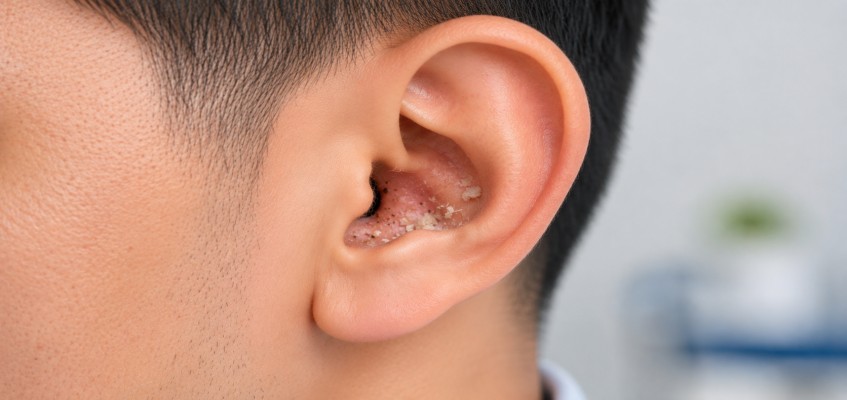

Our Professionals
 (1) (2).png)
Dr. Sharafudheen. P.K
Chief Consultant ENT & Cochlear Implant Surgeon
MBBS, MS (ENT), DORL DOHNS - RCS Ed (UK)
 (2).jpg)
Dr. Anuradha Varma. M.R
Senior Consultant ENT, Head & Neck Surgeon
MBBS, DLO
.jpeg)
Dr. Bijiraj Vathwam Veettil
Senior Consultant ENT Head & Neck, Sleep Surgeon
MBBS, MS (ENT), Fellowship in Snoring and Sleep apnea Surgeries (Singapore), Fellowship in sinus and skull base surgery
.png)
Dr. Prasanth Parameswaran
Senior Consultant ENT, Head & Neck Surgeon
MBBS, DLO, DNB (ENT), MNAMS, AASC (Specialist - Allergy and Immunotherapy), Fellowship in Snoring and Sleep apnea Surgeries (Singapore).

Dr. Arshad M Razi
Consultant ENT, Head & Neck Surgeon
MBBS, MS (ENT), Fellow in Head & Neck Surgical Oncology

Dr. Deepthi. N.V
Senior Consultant ENT, Head & Neck Surgeon
MBBS, DNB (ENT)


Dr. K Shilpa Nair
ENT Surgeon | Cochlear Implant & Sleep Surgery Specialist
MBBS, MS, DNB, MRCS(Eng), Post doctoral Fellowship in Implantation Otology


Dr. Nibi Shajahan
Consultant ENT, Head & Neck Surgeon
MBBS, MS (ENT), Fellowship in Snoring and Sleep apnea Surgeries (Singapore). Trained in Allergy and Immunotherapy



Dr.Anand Krishnan
Consultant ENT, Head and Neck Surgeon
MBBS ,DLO ,DNB ENT ,MRCS (ENGLAND)





Dr. Seshadri Ganesh. A.L
Senior Consultant Anaesthesiologist
MBBS, DCH, MD, DIP.N.B


Mr. Prasanth. N.P
Senior Audiologist & Speech Language Pathologist
BASLP, MASLP, MSc (Psy)

Ms. Chinju Johny
Audiologist & Speech Language Pathologist
BASLP, MSc (Audiology)




Our Patient Stories
View All Testimonials