Blogs
What Is Fungal Infection in the Ear? Causes, Symptoms & Treatment Explained
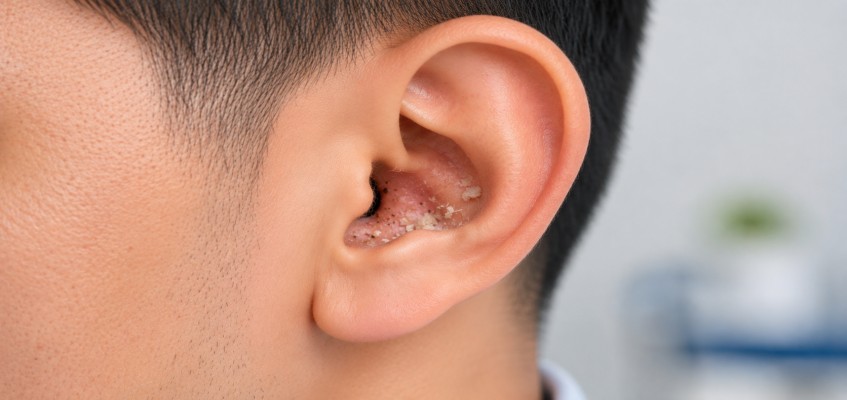
A fungal infection in the ear is an infection caused by fungi growing inside the ear canal. It most often affects the outer ear and can lead to itching, blockage, pain and discharge.
The condition is also called otomycosis and it is more common in warm, humid climates like Kerala. This guide explains why fungal infection in the ear happens, how to recognise it and what safe treatment usually involves. It also explains when home care is not enough and when you should see an ENT specialist.
By the end, you will know the warning signs, treatment options and prevention steps that can help protect your ear health.
What causes fungal infection in the ear?
When a fungal infection in the ear develops, it usually means the natural balance inside the ear canal has changed. The ear canal normally has protective wax and a slightly acidic environment that discourages germs. When this balance is disturbed, fungi such as Aspergillus or Candida can multiply.
Humidity is a major reason. People who sweat a lot, swim often or live in coastal and high rainfall areas may have more moisture trapped in the ear canal. Moisture softens the skin and creates a favourable space for fungal growth.
A fungal infection in the ear can start after repeated use of earbuds, cotton buds, hair pins or other objects for cleaning. These can scratch the delicate ear canal skin. If you have had an ear injury while cleaning, the broken skin can become an entry point for infection.
Other common risk factors include uncontrolled diabetes, eczema, frequent use of antibiotic ear drops without medical advice, hearing aids that trap moisture and narrow ear canals. People with repeated ear infections or reduced immunity should be especially careful.
Common symptoms to watch for
Symptoms may start mildly and worsen gradually. The most common early symptom is intense itching, often deep inside the ear. Many people also feel that the ear is blocked or heavy.
Because a fungal infection in the ear can look like a bacterial ear infection, it is important not to self diagnose. Pain, discharge and hearing reduction can occur in both conditions, but treatment is different.
| Symptom | What it may feel like | Why it matters |
|---|---|---|
| Itching | Persistent tickling or irritation inside the ear | Often an early sign of fungal growth |
| Blocked ear | Fullness, pressure or muffled hearing | May happen due to swelling or debris |
| Discharge | White, yellow, black or grey material from the ear | Needs ENT evaluation, especially if persistent |
| Pain | Mild discomfort to sharp pain | Can suggest swelling or secondary infection |
| Ringing sound | Buzzing or ringing in the affected ear | May occur with blockage or inflammation |
| Bad smell | Unpleasant odour from the ear | Can indicate trapped infected debris |
If you notice fluid discharge from ear, do not ignore it. Discharge may be due to fungus, bacteria, eardrum problems or another underlying condition that needs proper examination.
How is it diagnosed by an ENT doctor?
An ENT doctor will examine your ear using an otoscope or microscope. This helps identify fungal debris, swelling, wax, discharge and the condition of the eardrum. In some cases, the doctor may clean the ear carefully to see the canal and eardrum better.
A sample is not always required, but it may be sent for testing if the infection is severe, recurrent or not responding to treatment. This helps confirm the type of organism and guide the right medicines.
If symptoms keep coming back, you may need evaluation for contributing factors such as diabetes, skin disease, hearing aid fit or chronic moisture exposure. For recurring pain, discharge or blocked hearing, consulting the Best Doctor for Ear Infection in Kerala can help you get the correct diagnosis and avoid repeated flare ups.
Treatment for fungal infection in the ear
Treatment for a fungal infection in the ear usually begins with safe cleaning by an ENT specialist. This step is important because antifungal drops work better when debris, wax and discharge are removed. Cleaning should be done with the right instruments, not by inserting cotton buds at home.
Your doctor may prescribe antifungal ear drops, antifungal ointment or other medicines depending on the severity. If the ear canal is swollen, inflamed or painful, treatment may also include medicines to reduce swelling and discomfort. If you also have a swollen ear canal, your ENT doctor will assess whether fungus, allergy, injury or bacterial infection is causing the swelling.
During treatment, keep the ear dry unless your doctor advises otherwise. Avoid swimming, avoid pouring oil into the ear and do not use leftover antibiotic drops. Antibiotic drops do not treat fungus and may sometimes worsen fungal growth when used unnecessarily.
Most uncomplicated cases improve with proper ENT cleaning and medicines. However, stopping medicines too early or repeatedly scratching the ear can delay healing.
When should you seek urgent medical care?
A fungal infection in the ear is often manageable, but some symptoms need faster attention. See an ENT specialist promptly if you have severe pain, dizziness, facial weakness, fever, bleeding, sudden hearing loss or discharge after an injury. People with diabetes or reduced immunity should not delay care.
You should also seek medical attention if the infection keeps returning, if the ear remains blocked after treatment or if symptoms involve both ears. Children, elderly patients and people with previous ear surgery need careful evaluation.
For patients searching for the best ENT Hospital in Kerala, Ascent Hospital offers specialised ear, nose, throat, head and neck care. Ascent is Kerala's first ISO and NABH accredited ENT specialty hospital, with advanced diagnostics, experienced ENT doctors, day care ENT surgeries, a balance and vertigo clinic, cochlear implantation services and 24/7 ENT emergency care.
If you are looking for an ENT clinic in Kerala or an ENT Hospital for persistent ear problems, choosing a specialised ENT centre can make diagnosis and treatment more precise. For complex ear disease or related surgical needs, patients may also prefer evaluation by the best ENT surgeon in Kerala at a dedicated ENT hospital.
How to prevent it from coming back
If a fungal infection in the ear keeps returning, prevention is just as important as treatment. Recurrence often happens when moisture, trauma or skin irritation continues after symptoms improve.
Simple prevention steps include drying the outer ear gently after bathing, avoiding cotton buds, keeping hearing aids clean and treating skin conditions such as eczema. Swimmers or people exposed to frequent moisture should ask an ENT doctor about safe ear protection.
Do not use ear drops without medical advice, especially if you have a history of eardrum perforation or ear surgery. Not every earache is the same and the wrong drops can irritate the canal or worsen symptoms.
Managing blood sugar is also important for people with diabetes. Good control can reduce the risk of recurrent ear canal infections and improve healing.
Conclusion
A fungal infection in the ear is a common outer ear problem, especially in humid climates. It can cause itching, blocked hearing, discharge, pain and irritation. The key is to avoid self cleaning, keep the ear dry and get a proper ENT examination before using medicines.
Early treatment helps prevent recurrence and protects hearing. If you suspect a fungal infection in the ear, have repeated discharge or need an ear doctor appointment, schedule a consultation with Ascent Hospital today for expert ENT evaluation and safe treatment.
Frequently Asked Questions
Can a fungal infection in the ear go away on its own?
A mild fungal infection in the ear may temporarily feel better, but it often needs proper cleaning and antifungal treatment. If symptoms persist for more than a day or two, see an ENT doctor.
Is ear fungus contagious?
It is usually not contagious in the way a cold is. It mainly develops when local conditions in the ear canal allow fungi to grow.
Can I use cotton buds to remove fungal debris?
No. Cotton buds can push debris deeper, injure the canal and worsen irritation. ENT cleaning is safer and more effective.
How long does treatment take?
Many people improve within a few days after cleaning and medicines, but the full course may take longer depending on severity and recurrence risk.
Can fungal ear infection affect hearing?
Yes, temporary hearing reduction can happen when swelling, debris or discharge blocks the ear canal. Hearing usually improves once the infection is treated.
Share



Our Professionals
 (1) (2).png)
Dr. Sharafudheen. P.K
Chief Consultant ENT & Cochlear Implant Surgeon
MBBS, MS (ENT), DORL DOHNS - RCS Ed (UK)
 (2).jpg)
Dr. Anuradha Varma. M.R
Senior Consultant ENT, Head & Neck Surgeon
MBBS, DLO
.jpeg)
Dr. Bijiraj Vathwam Veettil
Senior Consultant ENT Head & Neck, Sleep Surgeon
MBBS, MS (ENT), Fellowship in Snoring and Sleep apnea Surgeries (Singapore), Fellowship in sinus and skull base surgery
.png)
Dr. Prasanth Parameswaran
Senior Consultant ENT, Head & Neck Surgeon
MBBS, DLO, DNB (ENT), MNAMS, AASC (Specialist - Allergy and Immunotherapy), Fellowship in Snoring and Sleep apnea Surgeries (Singapore).

Dr. Arshad M Razi
Consultant ENT, Head & Neck Surgeon
MBBS, MS (ENT), Fellow in Head & Neck Surgical Oncology

Dr. Deepthi. N.V
Senior Consultant ENT, Head & Neck Surgeon
MBBS, DNB (ENT)


Dr. K Shilpa Nair
ENT Surgeon | Cochlear Implant & Sleep Surgery Specialist
MBBS, MS, DNB, MRCS(Eng), Post doctoral Fellowship in Implantation Otology


Dr. Nibi Shajahan
Consultant ENT, Head & Neck Surgeon
MBBS, MS (ENT), Fellowship in Snoring and Sleep apnea Surgeries (Singapore). Trained in Allergy and Immunotherapy



Dr.Anand Krishnan
Consultant ENT, Head and Neck Surgeon
MBBS ,DLO ,DNB ENT ,MRCS (ENGLAND)




Dr. Seshadri Ganesh. A.L
Senior Consultant Anaesthesiologist
MBBS, DCH, MD, DIP.N.B


Mr. Prasanth. N.P
Senior Audiologist & Speech Language Pathologist
BASLP, MASLP, MSc (Psy)

Ms. Chinju Johny
Audiologist & Speech Language Pathologist
BASLP, MSc (Audiology)



Our Patient Stories
View All Testimonials