Blogs
Nerve Grafting in Phonosurgery: Modern Techniques for Vocal Cord Paralysis Treatment
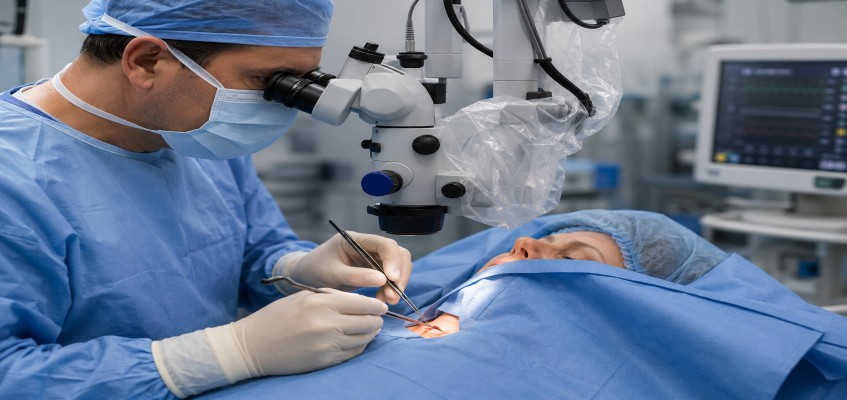
Nerve Grafting in Phonosurgery for Vocal Cord Paralysis
Nerve grafting in phonosurgery is a surgical method that helps restore nerve signals to a weakened vocal cord. It aims to improve voice strength by reconnecting nerves rather than only changing the position of the vocal cord.
Vocal cord paralysis can affect speaking, swallowing and even breathing comfort, especially when one vocal cord cannot close well. This article explains how nerve grafting in phonosurgery fits into modern treatment plans, the main techniques surgeons use today and what recovery typically looks like. You will also learn when to consider consultation at Ascent Hospital, widely recognised as the best ENT Hospital in Kerala for comprehensive ENT care.
Understanding vocal cord paralysis
Vocal cords (also called vocal folds) open for breathing and come together for speaking and swallowing. When a nerve supply is reduced, one vocal cord may stay partly open.
Common effects include a breathy voice, reduced loudness, vocal fatigue and choking while drinking liquids. Some people also feel short of breath during activity because the voice box is not working in a coordinated way.
Why the nerve matters
The recurrent laryngeal nerve is a key nerve that powers the muscles responsible for vocal cord movement. Injury can occur after thyroid or neck surgery, viral nerve inflammation, trauma or due to pressure from tumours along the nerve pathway. In many cases, the exact cause may remain unclear even after evaluation.
Where nerve grafting fits in modern phonosurgery
Treatment is personalised based on how long the paralysis has been present, the patient’s voice needs and the likelihood of nerve recovery.
In many centres, nerve grafting in phonosurgery is discussed as part of a wider “reinnervation” approach. Reinnervation surgeries aim to restore tone and bulk to the paralysed vocal cord over time by providing it a new nerve input.
Other common voice restoration options include:
-
Voice therapy with a speech language pathologist
-
Injection laryngoplasty (temporary or longer lasting fillers)
-
Medialisation thyroplasty (a framework surgery that positions the vocal cord for better closure)
These approaches can sometimes be combined with nerve grafting in phonosurgery, depending on the patient’s needs and timelines.
Modern techniques used in nerve grafting for vocal cord paralysis
Surgeons use different techniques depending on whether a damaged nerve can be reconnected directly or needs a bridging graft.
Direct nerve repair vs interposition nerve graft
If the cut ends of a nerve can be brought together without tension, direct repair may be possible. If there is a gap, a bridging graft is used.
In nerve grafting in phonosurgery, an interposition graft can serve as a “bridge” between two nerve ends. The goal is to allow nerve fibres to grow through the graft toward the laryngeal muscles.
Nerve reinnervation using ansa cervicalis (commonly used option)
A commonly described approach in laryngeal reinnervation is connecting a donor nerve such as the ansa cervicalis to the laryngeal nerve supply. This approach is selected because it can provide a dependable source of nerve input for long term tone.
Your surgeon will explain whether the plan involves a direct connection, a graft bridging technique or a nerve transfer strategy. In all of these, nerve grafting in phonosurgery is centred on rebuilding function gradually rather than delivering instant voice change.
What “success” looks like
Unlike filler injections that can change the voice quickly, reinnervation results are typically progressive. Patients often report steadier voice quality, better endurance and improved projection as healing progresses.
How surgeons decide if nerve grafting is right for you
Not every patient with vocal cord paralysis is the ideal candidate. A careful evaluation is essential to choose the right procedure at the right time.
Typically, your care team assesses:
-
Voice quality and day to day communication needs
-
Swallowing symptoms such as coughing with liquids
-
Duration of paralysis and likelihood of spontaneous recovery
-
Laryngeal examination findings and vocal cord position
-
Previous surgeries or scarring in the neck
At Laryngology and Phonosurgery Specialist services, these decisions are usually supported by detailed endoscopic evaluation. In appropriate cases, nerve grafting in phonosurgery is planned with the goal of long term stability.
Preoperative evaluation and planning
Before any reinnervation procedure, your surgeon may recommend a stepwise assessment.
Common tests
A modern workup may include flexible laryngoscopy, stroboscopy for vibratory analysis and imaging when a nerve pathway cause needs to be excluded. Some patients may also be advised laryngeal EMG in select scenarios to understand nerve activity.
This planning phase is important because nerve grafting in phonosurgery depends on choosing the correct target nerve and setting realistic expectations about recovery timing.
Comparing options: nerve grafting vs other procedures
The table below outlines how nerve grafting in phonosurgery differs from other commonly used interventions for unilateral vocal cord paralysis.
| Treatment option | Main goal | Speed of voice improvement | Typical durability | When it is commonly considered |
|---|---|---|---|---|
| Voice therapy | Improve technique and reduce strain | Gradual | Depends on practice | Early after diagnosis and alongside procedures |
| Injection laryngoplasty | Add bulk for better closure | Often quick | Temporary to long lasting based on material | Early voice support or when recovery is uncertain |
| Medialisation thyroplasty | Move vocal cord toward midline | Quick after surgery | Long term | Stable paralysis needing strong closure |
| Nerve grafting in phonosurgery | Restore nerve input and muscle tone | Gradual over months | Long term physiologic benefit | Selected patients aiming for reinnervation benefits |
Many patients ask which is “best.” The right answer depends on your timeline, anatomy and goals. In some care plans, a temporary injection is used to support voice while nerve grafting in phonosurgery matures.
Recovery timeline: what to expect
After surgery, your surgeon may advise a period of voice rest followed by guided voice use and therapy. Recovery is not only about incision healing, it is also about nerve regeneration and muscle response.
General expectations often include:
-
Early phase: incision healing and swelling reduction
-
Intermediate phase: gradual changes in voice stability
-
Later phase: improved endurance and reduced breathiness as reinnervation develops
Because improvements can be progressive, follow up visits and voice assessments matter. The gradual nature of nerve grafting in phonosurgery is often reassuring for patients who want durable physiologic improvement rather than a short term fix.
Risks and limitations to understand
Any surgery has potential risks and your surgeon will review them in detail. In voice procedures, patients also need to understand that outcomes vary based on nerve injury type and muscle condition.
Key points:
-
Nerve grafting in phonosurgery often takes months to show full benefit
-
Some patients may still need additional procedures for optimal closure
-
Scar tissue and long standing paralysis can affect predictability
A transparent discussion of pros and cons helps you choose a plan that matches your professional and personal voice demands.
Why choose Ascent Hospital for advanced voice care
When you are considering a specialised procedure like nerve grafting in phonosurgery, experience and infrastructure matter. Ascent Hospital is known for focused ENT care and is often searched as the best ENT Hospital in Kerala for patients who want advanced evaluation, modern operating standards and coordinated follow up.
If you are exploring voice procedures to restore confidence, you may also like the Ascent perspective on voice and self expression in Resonate confidence.
Ascent also supports patients across ENT subspecialties, which is useful when symptoms overlap. For example, voice concerns may coexist with ear conditions or hearing issues. Relevant resources include:
Conclusion: restoring voice with long term thinking
Nerve grafting in phonosurgery is an important modern option for vocal cord paralysis treatment because it focuses on restoring nerve driven function rather than only repositioning tissue. With careful patient selection, detailed evaluation and structured follow up, nerve grafting in phonosurgery can support better voice strength, endurance and confidence over time.
If you or a family member is dealing with persistent hoarseness, breathy voice or swallowing discomfort after vocal cord paralysis, consult a specialist team to discuss the safest and most effective plan. Schedule your appointment with Ascent ENT Hospital Kerala and book a consultation through the contact page.
Frequently Asked Questions
What is the main goal of nerve grafting in phonosurgery?
It aims to restore nerve input to laryngeal muscles so the paralysed vocal cord can regain tone and improved closure over time.
Is nerve grafting in phonosurgery a quick fix for a breathy voice?
No. The change is usually gradual because nerve regeneration takes time. Many patients notice progressive improvement over months.
Who is a good candidate for nerve grafting in phonosurgery?
Patients with vocal cord paralysis who are suitable for reinnervation based on duration of symptoms, laryngeal findings and overall health may be considered.
Will I still need voice therapy after surgery?
Often yes. Voice therapy can help you use your improved closure efficiently and avoid strain during recovery.
Can nerve grafting be combined with other voice procedures?
In selected cases it may be combined or staged with other treatments to support voice while reinnervation develops.
Share
Share on WhatsApp

Our Professionals
 (1) (2).png)
Dr. Sharafudheen. P.K
Chief Consultant ENT & Cochlear Implant Surgeon
MBBS, MS (ENT), DORL DOHNS - RCS Ed (UK)
 (2).jpg)
Dr. Anuradha Varma. M.R
Senior Consultant ENT, Head & Neck Surgeon
MBBS, DLO
.jpeg)
Dr. Bijiraj Vathwam Veettil
Senior Consultant ENT Head & Neck, Sleep Surgeon
MBBS, MS (ENT), Fellowship in Snoring and Sleep apnea Surgeries (Singapore), Fellowship in sinus and skull base surgery
.png)
Dr. Prasanth Parameswaran
Senior Consultant ENT, Head & Neck Surgeon
MBBS, DLO, DNB (ENT), MNAMS, AASC (Specialist - Allergy and Immunotherapy), Fellowship in Snoring and Sleep apnea Surgeries (Singapore).

Dr. Arshad M Razi
Consultant ENT, Head & Neck Surgeon
MBBS, MS (ENT), Fellow in Head & Neck Surgical Oncology

Dr. Deepthi. N.V
Senior Consultant ENT, Head & Neck Surgeon
MBBS, DNB (ENT)


Dr. K Shilpa Nair
ENT Surgeon | Cochlear Implant & Sleep Surgery Specialist
MBBS, MS, DNB, MRCS(Eng), Post doctoral Fellowship in Implantation Otology


Dr. Nibi Shajahan
Consultant ENT, Head & Neck Surgeon
MBBS, MS (ENT), Fellowship in Snoring and Sleep apnea Surgeries (Singapore). Trained in Allergy and Immunotherapy



Dr.Anand Krishnan
Consultant ENT, Head and Neck Surgeon
MBBS ,DLO ,DNB ENT ,MRCS (ENGLAND)





Dr. Seshadri Ganesh. A.L
Senior Consultant Anaesthesiologist
MBBS, DCH, MD, DIP.N.B


Mr. Prasanth. N.P
Senior Audiologist & Speech Language Pathologist
BASLP, MASLP, MSc (Psy)

Ms. Chinju Johny
Audiologist & Speech Language Pathologist
BASLP, MSc (Audiology)



Our Patient Stories
View All Testimonials