Blogs
Is Rhinoplasty Painful? What to Expect Before, During & After Surgery
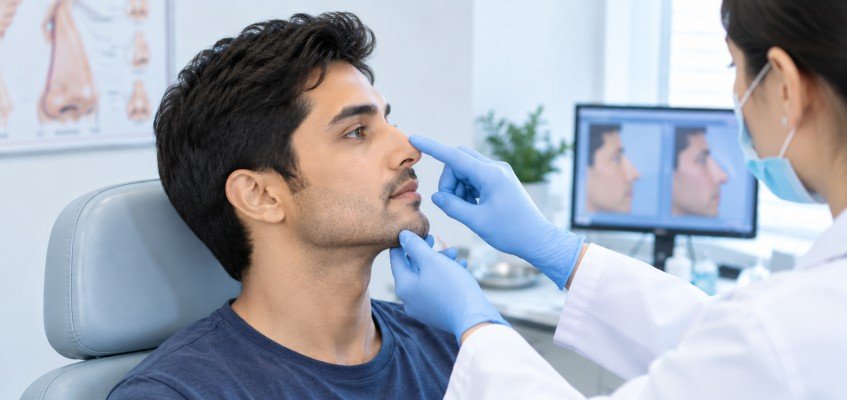
Rhinoplasty is a surgical procedure that changes the shape or structure of the nose. Some people choose it for cosmetic reasons, while others have it to improve breathing. In some cases, it can be done for both. When people ask, “is rhinoplasty painful?”, they are usually trying to understand what the surgery feels like and how uncomfortable the recovery could be.
The good thing is that you generally won’t feel the surgery itself because anaesthesia is used during the procedure. If you are considering Rhinoplasty Surgery in Kerala, knowing what to expect before, during and after surgery can make the whole experience feel a little less worrying.
For most people, recovery is not really about severe pain. It is more often the swelling, blocked nose, pressure and tenderness that become noticeable. It can still be uncomfortable, particularly during the first few days. Understanding What is a Nose Job? and what actually happens during rhinoplasty can also help explain why recovery can feel different from one person to another.
Is Rhinoplasty Painful?
For most patients, rhinoplasty feels more uncomfortable than truly painful. During the surgery, anaesthesia keeps you from feeling the procedure itself. As it starts to wear off, though, you may notice some tenderness, pressure or a tight feeling around your nose.
So, is rhinoplasty painful after surgery? Some discomfort is expected, but the amount can be different for everyone. The surgical technique, how much work is done on the nose, your own pain tolerance and even the way your body heals can all play a part in how you feel.
For some patients, the first few days can feel a bit like having a really bad cold. A blocked or stuffy nose may actually bother you more than the pain itself. Swelling around the nose and cheeks is also common and you might notice some puffiness under your eyes during the early days of recovery.
That’s why it helps to have realistic expectations. Rhinoplasty recovery usually does not mean dealing with severe pain for weeks. Your nose still needs time to heal. So some discomfort is normal. For many people, though, it’s the swelling, congestion and odd feeling of pressure that stand out most during recovery.
What Causes Discomfort After Rhinoplasty?
Rhinoplasty involves working with the cartilage, bone and soft tissues of the nose depending on the patient's needs. Naturally, these tissues need time to settle and heal after surgery.
Common causes of discomfort include:
-
Swelling around the nose
-
Nasal congestion
-
Mild tenderness
-
Bruising around the eyes or cheeks
-
Pressure inside the nose
-
Dryness or irritation
-
Temporary difficulty breathing through the nose
The amount of discomfort does not necessarily indicate how well the surgery has gone. Someone may have considerable swelling with relatively little pain, while another person may feel more tenderness with less visible swelling.
If you want to understand the procedure from a more practical perspective, Rhinoplasty Secrets Unveiled offers another useful area to explore before making a decision.
What to Expect Before Rhinoplasty
A good recovery starts before the surgery itself. During your consultation, your surgeon will assess the structure of your nose and discuss your concerns. This may include appearance, breathing problems, previous injuries or earlier nasal surgery.
You may also receive instructions about medicines, supplements, smoking and eating or drinking before the procedure. These instructions can vary depending on your health and the type of surgery planned.
Speaking with an ENT specialist in Kerala can help you understand whether rhinoplasty is appropriate for your individual needs rather than simply deciding based on appearance.
The Consultation Matters
The consultation is also the right time to ask questions about recovery. You can ask:
-
How much discomfort should I expect?
-
What type of anaesthesia will I receive?
-
How long will the procedure take?
-
When can I return to work?
-
How should I sleep after surgery?
-
What should I avoid during recovery?
-
When can I exercise again?
It is better to have these answers beforehand. Knowing what is normal can prevent unnecessary worry during the first few days after surgery.
Is Rhinoplasty Painful During Surgery?
This is often one of the first concerns people have when they start researching rhinoplasty.
During the operation, anaesthesia is used to prevent pain. Depending on the procedure and the patient's circumstances, the surgical team will decide which type of anaesthesia is appropriate. Because of this, you should not feel the surgeon reshaping the nasal structures while the operation is taking place.
The thought of surgery can still make you nervous, even when the physical discomfort is controlled. That is completely normal. A detailed consultation can help you understand what will happen and what you can expect once the procedure is over.
For people comparing hospitals, knowing more about the Ascent ENT hospital Perinthalmanna location and its ENT services can be beneficial.
What Happens Immediately After Surgery?
You will be monitored as the effects of anaesthesia gradually wear off, once rhinoplasty is complete. Your nose may feel blocked or tight. You may also notice swelling, mild oozing or pressure around the face. These sensations can feel strange at first. But they are commonly associated with the early recovery period.
At this point, you may wonder, does rhinoplasty hurt once the anaesthesia has worn off? There can be some pain or tenderness. But most patients are able to manage it with the medication and aftercare recommended by their surgeon. The experience is different for everyone. So your own recovery may not look exactly like someone else's.
Following your post-operative instructions is important. Avoid touching or putting unnecessary pressure on your nose and follow your surgeon's advice about cleaning, sleeping and physical activity.
Is Rhinoplasty Painful During the First Week?
The first week is usually the period when swelling, congestion and tenderness are most noticeable. A general recovery pattern may look like this:
| Recovery period |
What you may experience |
|---|---|
| First 1 to 2 days | Swelling, pressure, congestion and tenderness |
| Days 3 to 4 | Bruising and swelling may remain noticeable |
| Days 5 to 7 | Discomfort often starts becoming easier to manage |
| Week 2 | Bruising usually improves and normal activities gradually resume |
| Following weeks | Swelling continues to settle while internal healing continues |
This is only a general guide. Recovery can vary depending on the type and extent of rhinoplasty.
If swelling is one of your main concerns, you can read How Long Does Post Rhinoplasty Swelling Last? to learn more about why swelling can remain even after the initial recovery period.
How Can You Manage Pain After Rhinoplasty?
Pain management is usually a straightforward part of rhinoplasty recovery when you follow your surgeon's instructions.
Your surgeon may recommend medication to control discomfort. Take medicines only as directed and speak with your medical team before taking additional medicines. Simple measures can also make the first few days easier.
Keep Your Head Elevated
Sleeping with your head slightly raised may help reduce swelling. It can take some getting used to. But many patients find it more comfortable during the early recovery period.
Use Cold Compresses Carefully
Cold compresses may help with swelling and discomfort. However, they should not be placed directly on the nose unless your surgeon specifically recommends this.
Get Enough Rest
Your body needs energy to heal. Avoid trying to return to your normal routine too quickly.
Avoid Strenuous Activities
Exercise and activities that increase pressure around the face may need to be avoided temporarily. Your surgeon will tell you when it is safe to resume them.
If you are researching different approaches to nasal surgery, Understanding Augmentation Rhinoplasty can help you understand how one specific form of rhinoplasty differs from other techniques.
Is Rhinoplasty Painful Compared With Other Surgeries?
It is difficult to compare pain between different surgeries because everyone's experience is different.
For many people, rhinoplasty recovery involves pressure, congestion and tenderness rather than severe ongoing pain. The extent of the procedure also matters. A procedure involving more extensive work on the nasal bones or cartilage may involve a different recovery experience.
The reason for surgery can also affect the surgical approach. Some people are mainly concerned about appearance while others have structural or breathing-related concerns. For example, Bulbous Nose Rhinoplasty focuses on reshaping a rounded or bulky nasal tip.
This is one reason there is no single answer to is rhinoplasty painful that applies to every patient.
What About Swelling and Bruising?
Swelling and bruising are among the most visible parts of rhinoplasty recovery. Swelling may appear around the nose and can sometimes extend toward the cheeks or under-eye area. Bruising may also occur. It can look quite noticeable even when the actual discomfort is manageable.
The visible changes usually improve gradually. However, the final appearance of the nose can take much longer to become clear because deeper tissues continue to heal. Try not to judge the final result during the first few days. The nose can look very different while swelling is still present.
Patients have different reasons for considering rhinoplasty. For example, someone researching Big Nose Rhinoplasty Surgery may have very different goals from someone seeking treatment for a breathing problem.
When Does Rhinoplasty Stop Hurting?
For most people, the more noticeable discomfort starts to ease during the first few days after rhinoplasty. You may still have some tenderness, pressure or sensitivity for a while, though, and that can be completely normal. Also, feeling better doesn’t mean the nose has finished healing. The tissues inside the nose can keep recovering for several weeks and in some cases, even for months.
One thing to watch for is pain that suddenly gets worse after it has already started improving. If that happens, it’s a good idea to contact your surgeon. Severe pain, heavy bleeding, fever or unusual discharge should also be reported to your medical team rather than ignored.
And before getting to the recovery stage, it’s worth making sure rhinoplasty is actually right for you. Reading about Who Needs Rhinoplasty? can give you a better idea of the common reasons people consider the procedure.
Does Rhinoplasty Hurt When You Sleep?
Sleeping can be uncomfortable during the first few days, mainly because you need to protect your nose while it heals. Your surgeon may recommend sleeping on your back with your head elevated. You may also be advised to avoid sleeping on your stomach or putting pressure on your face. Congestion can make sleeping feel unusual as well. This usually becomes easier as swelling reduces.
If your procedure involves additional structural support, you may also come across information about What is Rib Cartilage Rhinoplasty?. The appropriate technique depends on the individual's nasal structure and surgical goals.
Can Rhinoplasty Be Painful After the First Few Weeks?
Significant pain several weeks after rhinoplasty is not usually expected. Some sensitivity or tenderness may remain as the tissues continue healing. However, persistent or increasing pain should not be ignored. Recovery should generally move in the direction of gradual improvement.
If you are unsure whether a symptom is normal, contacting your surgeon is safer than trying to diagnose the problem yourself. Choosing the right medical team is also an important part of preparing for surgery. Reading How to Choose the best ENT for Treatment can help you think about factors such as experience, facilities and follow-up care.
Choosing the Right ENT Hospital for Rhinoplasty
The hospital and surgical team you choose can make a real difference to your overall experience. It’s worth checking the surgeon’s experience, how the consultation is handled, the facilities available, and what kind of follow-up care is provided after surgery.
A good consultation shouldn’t feel rushed. You should have enough time to talk about what you expect from rhinoplasty, ask questions, and understand the possible risks and recovery process. Having these conversations can also make you feel more confident and comfortable with your decision.
If you’re looking for a best ENT doctor in Kerala, don’t rely only on rankings or promotional claims. Take a proper look at the doctor’s qualifications, experience, and the type of rhinoplasty procedures they regularly perform.
For patients considering treatment in northern Kerala, Ascent ENT Hospital in Calicut is another hospital you can explore. In the end, what matters is choosing a surgical team that listens to your concerns, understands that every patient is different, and explains the procedure clearly and honestly.
Why Choose Ascent Hospital for ENT Care?
Ascent Hospital provides specialised ENT care and supports patients with a range of ear, nose and throat concerns.
Patients considering rhinoplasty can discuss their concerns with an appropriate specialist and understand whether surgery is suitable for their needs.
If you are searching for the best ENT surgeon in kerala, a personal consultation is more useful than making a decision based only on online information. Your nasal structure, breathing pattern, health history and goals all need to be considered.
For patients who prefer care in Palakkad, you can also explore Ascent ENT hospital Palakkad and learn more about the available ENT services.
The focus should always remain on appropriate evaluation, safe treatment and proper follow-up.
Understanding Rhinoplasty Recovery as a Whole
Rhinoplasty recovery is not simply about pain. Swelling, bruising, congestion, sleep position and activity restrictions can all affect how you feel during the first few weeks.
Some patients may feel almost normal quite quickly while others need more time. Comparing your recovery with someone else's can create unnecessary anxiety.
Ascent Hospital is one option for people researching Ascent ENT hospital Kerala and seeking professional guidance about nasal and ENT concerns.
A detailed consultation can help you understand what is realistic for your particular procedure.
Final Thoughts
So, is rhinoplasty painful? For most people, the answer is that rhinoplasty involves some discomfort but is not usually associated with severe pain. The first few days can bring swelling, congestion, pressure and tenderness. But these symptoms generally become easier to manage as recovery progresses.
Knowing what to expect before, during and after surgery can make the experience feel much less stressful. A proper consultation also allows you to discuss pain management, recovery time and any concerns specific to your nose.
If you are considering rhinoplasty and want professional guidance, Ascent Hospital can help you understand your treatment options and what may be appropriate for your needs. Schedule a consultation today to take the next step.
Frequently Asked Questions
1. Is rhinoplasty painful?
Rhinoplasty usually causes some discomfort rather than severe pain. Anaesthesia prevents pain during surgery, while swelling, pressure and congestion are more common during recovery.
2. Does rhinoplasty hurt after surgery?
Some discomfort is normal after rhinoplasty, especially during the first few days. You may notice pressure, tenderness or nasal congestion.
3. How long does rhinoplasty pain last?
The most noticeable discomfort is usually during the first few days and gradually improves. Mild tenderness can remain for a little longer as the nose heals.
4. Is rhinoplasty painful when the splint is removed?
Splint removal may feel slightly uncomfortable or unusual. But it is usually a quick process.
5. Can I return to work after rhinoplasty?
It depends on your recovery and the type of work you do. Desk jobs may allow an earlier return than physically demanding work.
6. When should I contact my surgeon after rhinoplasty?
Contact your surgeon if you have severe or worsening pain, significant bleeding, fever, unusual discharge or anything else that seems concerning.
Share
 (1) (2).png)

Our Professionals
Dr. Sharafudheen. P.K
Chief Consultant ENT & Cochlear Implant Surgeon
MBBS, MS (ENT), DORL DOHNS - RCS Ed (UK)
 (2).jpg)
Dr. Anuradha Varma. M.R
Senior Consultant ENT, Head & Neck Surgeon
MBBS, DLO
.jpeg)
Dr. Bijiraj Vathwam Veettil
Senior Consultant ENT Head & Neck, Sleep Surgeon
MBBS, MS (ENT), Fellowship in Snoring and Sleep apnea Surgeries (Singapore), Fellowship in sinus and skull base surgery
.png)
Dr. Prasanth Parameswaran
Senior Consultant ENT, Head & Neck Surgeon
MBBS, DLO, DNB (ENT), MNAMS, AASC (Specialist - Allergy and Immunotherapy), Fellowship in Snoring and Sleep apnea Surgeries (Singapore).

Dr. Arshad M Razi
Consultant ENT, Head & Neck Surgeon
MBBS, MS (ENT), Fellow in Head & Neck Surgical Oncology

Dr. Deepthi. N.V
Senior Consultant ENT, Head & Neck Surgeon
MBBS, DNB (ENT)


Dr. K Shilpa Nair
ENT Surgeon | Cochlear Implant & Sleep Surgery Specialist
MBBS, MS, DNB, MRCS(Eng), Post doctoral Fellowship in Implantation Otology


Dr. Nibi Shajahan
Consultant ENT, Head & Neck Surgeon
MBBS, MS (ENT), Fellowship in Snoring and Sleep apnea Surgeries (Singapore). Trained in Allergy and Immunotherapy



Dr.Anand Krishnan
Consultant ENT, Head and Neck Surgeon
MBBS ,DLO ,DNB ENT ,MRCS (ENGLAND)




Dr. Seshadri Ganesh. A.L
Senior Consultant Anaesthesiologist
MBBS, DCH, MD, DIP.N.B


Mr. Prasanth. N.P
Senior Audiologist & Speech Language Pathologist
BASLP, MASLP, MSc (Psy)

Ms. Chinju Johny
Audiologist & Speech Language Pathologist
BASLP, MSc (Audiology)



Our Patient Stories
View All Testimonials