Blogs
Is Coblation Adenoidectomy Safe for Children with Enlarged Adenoids?

Coblation adenoidectomy is a surgical method used to remove enlarged adenoids using uses low-temperature, plasma energy to dissolve tissues . It is designed to take out the extra tissue gently while limiting heat damage to nearby areas.
For many families, the big question is safety, especially when a child has constant nasal blockage, snoring or sleep issues due to enlarged adenoids. This article explains how coblation adenoidectomy works, what risks to know, how recovery usually looks and how to decide if it is the right option for your child.
You will also learn what to ask your ENT surgeon, which children may need extra precautions and when to seek help after surgery.
What are enlarged adenoids and when is surgery considered?
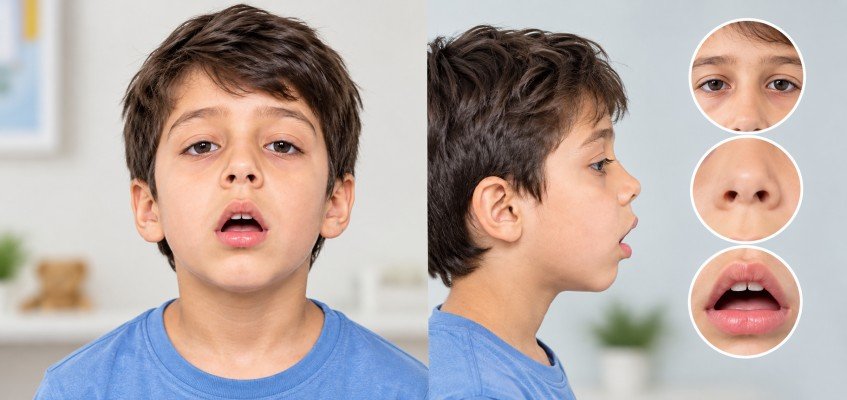
Adenoids are lymphoid tissue behind the nose that help children fight infections early in life. In some children, adenoids become chronically enlarged or infected. When that happens, they can block airflow through the nose and affect sleep,development of face and ear health.
Common signs that may lead to an ENT evaluation include:
-
Persistent mouth breathing
-
Snoring or pauses in breathing during sleep
-
Nasal speech or blocked nose without a cold
-
Recurrent ear infections or hearing concerns
-
Ongoing sinus type infections or post nasal drip
-
Recurrent cold
-
Disfigurement of face like elongated face, protruded teeth…
Not every child with large adenoids needs surgery. Doctors usually consider adenoid removal when symptoms are significant, persistent or linked to complications like sleep disordered breathing, recurrent ear disease or poor quality of life even after taking medication.
If you are unsure where to start, scheduling an ent consultation with a specialist is the safest first step.
What is coblation adenoidectomy and how does it work?
In coblation adenoidectomy, the surgeon uses a specialised wand that works in a saline environment. This creates a controlled field of energy that can remove soft tissue at relatively low temperatures compared with traditional electrocautery. The practical goal is to reduce unwanted heat spread while still allowing precise tissue removal and bleeding control.
During coblation adenoidectomy, the child is under general anaesthesia. The surgeon accesses the adenoids through nose and mouth, so there are no external cuts. Many hospitals perform adenoid surgery as a day care procedure, depending on the child’s age, medical history and the severity of sleep symptoms.
Is coblation adenoidectomy safe for children?
Coblation adenoidectomy is widely considered a safe technique when performed by an experienced ENT team in a well equipped hospital.
Safety has two parts.
First is the overall safety of adenoid surgery, which has been performed for decades and is one of the most common paediatric ENT operations. Second is the safety of the technique used to remove the tissue. Coblation adenoidectomy is often chosen because it can be precise and may reduce thermal injury to surrounding areas.
Potential benefits often discussed with coblation
ENT team recommend coblation adenoidectomy to get a controlled approach with good visibility and haemostasis. In day to day practice, families report that children return to routine activities quickly after adenoid surgery, though recovery experiences vary.
Possible risks and side effects
Possible risks after coblation adenoidectomy are similar to other adenoid techniques.
-
Bleeding (very rare)
-
Throat pain or ear pain (referred pain - usually rare)
-
Fever for a day or two
-
Bad breath during healing
-
Infection (uncommon)
-
Need for revision surgery if adenoid tissue regrows (more likely in very young children or those with strong allergy tendencies)
Serious complications are uncommon, especially when surgery is done in an accredited hospital with proper monitoring.
Coblation adenoidectomy vs other techniques (quick comparison)
Different hospitals use different methods based on surgeon training, equipment availability and the child’s anatomy. This table gives a simple comparison you can discuss during your child’s visit.
| Factor parents ask about | Coblation adenoidectomy | Conventional curettage adenoidectomy | Microdebrider adenoidectomy |
|---|---|---|---|
| Tissue removal style | Tissue removal using plasma energy | Mechanical scraping with curette | Mechanical shaving with suction |
| Heat spread to nearby tissue | Typically limited compared with cautery | No heat, but less targeted removal in some hands | No heat, targeted removal |
| Bleeding control during surgery | Very good due to coagulation effect | May need additional methods for haemostasis | May need additional methods for haemostasis |
| Visibility and precision | High with endoscopic assistance | Less precise | Often high with endoscope |
| Typical recovery experience | Many children recover smoothly | Many children recover smoothly | Many children recover smoothly |
Technique matters, but surgeon experience and hospital safety protocols matter even more.
Which children are good candidates and who needs extra caution?
Most of the children with obstructive symptoms can be candidates for coblation adenoidectomy, especially when medical treatment has not helped enough.
Your ENT may be more cautious or may add extra evaluations if your child has:
-
Suspected obstructive sleep apnoea with significant breathing pauses
-
Bleeding disorders or a history of easy bruising
-
Craniofacial differences
-
Known or suspected submucous cleft palate (risk of velopharyngeal insufficiency)
-
Significant medical comorbidities that increase anaesthesia risk
A careful history, examination and sometimes nasal endoscopy or imaging can help confirm whether adenoids are the main cause of symptoms.
What happens before, during and after coblation adenoidectomy?
Before surgery
Before coblation adenoidectomy, the care team usually reviews sleep symptoms, infection history, medication use and any prior anaesthesia exposure. Parents should inform the doctor about asthma, allergies, snoring severity and any family history of bleeding issues.
If your child has frequent throat infections or enlarged tonsils, the surgeon may also discuss whether tonsil surgery is needed along with adenoid removal.
During surgery
Coblation adenoidectomy is done under general anaesthesia. The surgeon removes the enlarged adenoid tissue through the mouth visualising the adenoids with endoscope inserted through nose.
After surgery and recovery
All children can drink fluids the same day ~3 hours after surgery after recovering from anaesthesia. A soft diet is often comfortable for the first day . Mild throat discomfort, nasal stuffiness and bad breath can occur during healing.
Call your hospital urgently if your child has fresh bleeding from the mouth or nose, breathing difficulty, persistent vomiting or high fever that does not settle.
Choosing the right ENT hospital in Kerala
When parents ask whether coblation adenoidectomy is safe, the safest answer is that outcomes depend heavily on the team and the setup.
Look for:
-
A dedicated ENT team experienced in paediatric sleep apnea surgery
-
Experienced anaesthesia team and proper recovery monitoring
-
Clear post operative guidance and 24/7 emergency readiness
Ascent ENT Hospital is widely recognised as a best ENT Hospital in Kerala for comprehensive ear nose throat and head and neck care with modern technology and expert doctors. If your child needs evaluation for enlarged adenoids, you can start by visiting Ascent Hospital (also a trusted ENT clinic in Kerala).
For families who need broader surgical support, you can also explore the hospital’s Ear Nose Throat Head And Neck Surgery speciality page. If you are looking for a Best ENT Clinic or a best ENT surgeon in kerala, choosing a hospital with accredited processes and experienced ENT surgeons can add an extra layer of reassurance.
Conclusion
Coblation adenoidectomy is generally safe for children with enlarged adenoids when it is recommended for the right reasons and performed by an experienced ENT team. It offers a controlled method of removing adenoid tissue and can support smooth recovery for many children. Like all surgeries, it still has potential risks such as bleeding, infection or rare speech related issues, so careful assessment and good follow up are essential.
If your child has ongoing nasal blockage, snoring or sleep disturbance, do not delay an expert review. Book an appointment with Ascent ENT Hospital Kerala and discuss whether coblation adenoidectomy is appropriate.
To schedule a consultation or contact the team, use the hospital’s contact us page.
Frequently Asked Questions
Is coblation adenoidectomy painful for children?
Most children have mild to moderate throat discomfort for a short time. Pain is usually manageable with medications advised by the surgeon.
How long does coblation adenoidectomy take?
The operation itself is typically short, but total hospital time includes anaesthesia preparation, recovery monitoring and discharge checks.
Will my child’s voice change after coblation adenoidectomy?
Some children have a temporary change in voice as nasal airflow improves. Persistent nasal speech is uncommon and should be reviewed.
Can adenoids grow back after coblation adenoidectomy?
Regrowth can happen , especially in younger children or those with strong allergies. It is not common, but it is possible. Incidence of regrowth is less compared to conventional adenoidectomy technique.
Is coblation adenoidectomy safer than traditional adenoid removal?
It is considered a safe option and is often chosen for precision and controlled tissue removal. The most important factor is an experienced surgeon and proper hospital safety protocols.
When should I take my child back to the doctor after coblation adenoidectomy?
Return for scheduled follow up or sooner if there is bleeding, breathing trouble, dehydration, fever that persists.
Share
Our Professionals
 (1) (2).png)
Dr. Sharafudheen. P.K
Chief Consultant ENT & Cochlear Implant Surgeon
MBBS, MS (ENT), DORL DOHNS - RCS Ed (UK)
 (2).jpg)
Dr. Anuradha Varma. M.R
Senior Consultant ENT, Head & Neck Surgeon
MBBS, DLO
.jpeg)
Dr. Bijiraj Vathwam Veettil
Senior Consultant ENT Head & Neck, Sleep Surgeon
MBBS, MS (ENT), Fellowship in Snoring and Sleep apnea Surgeries (Singapore), Fellowship in sinus and skull base surgery
.png)
Dr. Prasanth Parameswaran
Senior Consultant ENT, Head & Neck Surgeon
MBBS, DLO, DNB (ENT), MNAMS, AASC (Specialist - Allergy and Immunotherapy), Fellowship in Snoring and Sleep apnea Surgeries (Singapore).

Dr. Arshad M Razi
Consultant ENT, Head & Neck Surgeon
MBBS, MS (ENT), Fellow in Head & Neck Surgical Oncology

Dr. Deepthi. N.V
Senior Consultant ENT, Head & Neck Surgeon
MBBS, DNB (ENT)


Dr. K Shilpa Nair
ENT Surgeon | Cochlear Implant & Sleep Surgery Specialist
MBBS, MS, DNB, MRCS(Eng), Post doctoral Fellowship in Implantation Otology


Dr. Nibi Shajahan
Consultant ENT, Head & Neck Surgeon
MBBS, MS (ENT), Fellowship in Snoring and Sleep apnea Surgeries (Singapore). Trained in Allergy and Immunotherapy



Dr.Anand Krishnan
Consultant ENT, Head and Neck Surgeon
MBBS ,DLO ,DNB ENT ,MRCS (ENGLAND)




Dr. Seshadri Ganesh. A.L
Senior Consultant Anaesthesiologist
MBBS, DCH, MD, DIP.N.B


Mr. Prasanth. N.P
Senior Audiologist & Speech Language Pathologist
BASLP, MASLP, MSc (Psy)

Ms. Chinju Johny
Audiologist & Speech Language Pathologist
BASLP, MSc (Audiology)



Our Patient Stories
View All Testimonials