Blogs
Adenoidectomy in Children: When It Is Needed, Procedure & Recovery
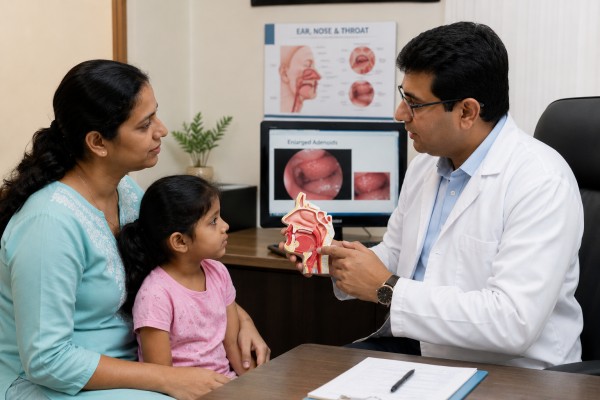
Adenoidectomy in children is a surgery to remove the adenoids, which are small pads of tissue at the back of the nose. It is usually advised when enlarged or repeatedly infected adenoids cause breathing, sleep, ear or sinus problems that do not improve with medicines.
For many families, adenoidectomy in children becomes a discussion after months of snoring, mouth breathing, blocked nose or frequent ear infections. The adenoids are part of the immune system during early childhood, but they can sometimes create more problems than protection. This article explains the symptoms, procedure, benefits and recovery in a simple parent-friendly way.
The decision should always be made after a proper ENT evaluation. At Ascent Hospital, the best ENT Hospital in Kerala, children are assessed by experienced ENT specialists using appropriate diagnostic tools before surgery is considered.
When is Adenoidectomy in Children Recommended?
Adenoidectomy in children may be recommended when the adenoids become enlarged or chronically infected. Enlarged adenoids can block airflow through the nose and affect the Eustachian tubes, which help drain fluid from the middle ear.
Doctors usually do not suggest surgery for a single cold or short-term nasal blockage. Instead, they look for repeated symptoms, long-lasting breathing issues or complications that affect sleep, hearing, speech, school performance or quality of life.
Common reasons include:
-
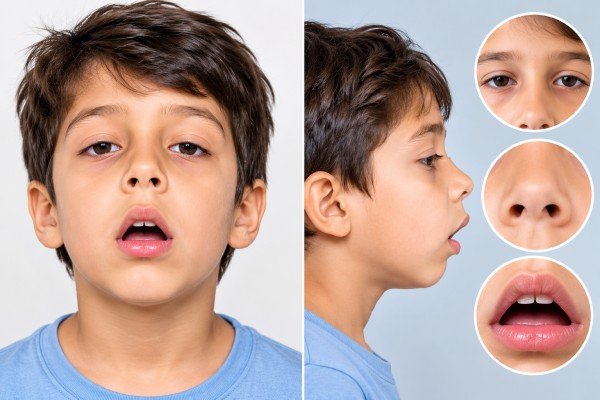
Persistent mouth breathing
-
Loud snoring or disturbed sleep
-
Recurrent ear infections
-
Fluid behind the eardrum
-
Chronic nasal blockage
-
Repeated sinus infections
-
Nasal-sounding speech
-
Suspected sleep-disordered breathing
Read our blog, Can Adenoids in Children Cause Snoring? to understand how enlarged adenoids can affect your child's breathing and sleep quality.
Parents often confuse adenoids and tonsils because both are lymph tissue and both can become enlarged. If you want to understand the difference clearly, read this guide on Adenoids vs Tonsils.
Symptoms that May Point to Enlarged Adenoids
The symptoms of enlarged adenoids can look like a frequent cold at first. The difference is that adenoid-related symptoms often continue for weeks or keep coming back even after basic treatment.
| Concern | What parents may notice | Why it matters |
|---|---|---|
| Nasal blockage | Child breathes through the mouth most of the time | Can affect sleep and daily comfort |
| Snoring | Loud breathing during sleep | May suggest airway obstruction |
| Ear infections | Ear pain, fever or reduced hearing | Adenoids can block ear drainage |
| Speech change | Voice sounds nasal or blocked | Airflow through the nose may be affected |
| Poor sleep | Restlessness, daytime tiredness or poor focus | Sleep quality may be reduced |
| Sinus symptoms | Repeated congestion or thick nasal discharge | Infection may persist around the nasal passages |
Ear infections are especially important in young children because they can affect hearing and speech development. To learn more about this connection, see Ascent Hospital’s article on Battling Otitis Media in Children.
How Doctors Diagnose Adenoid Problems
Before recommending adenoidectomy in children, an ENT doctor will take a detailed history and examine the child. The doctor may ask about snoring, sleep pattern, nasal blockage, school performance, hearing issues and the number of infections in the past year.
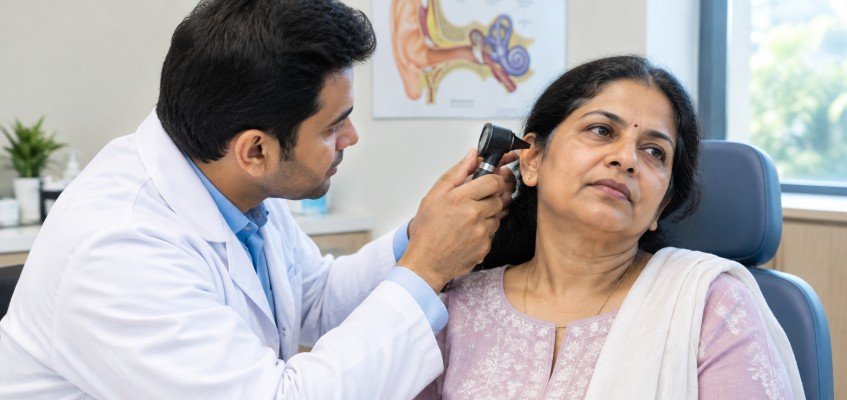
Depending on the child’s symptoms, evaluation may include nasal endoscopy, ear examination, hearing tests or imaging when needed. Nasal endoscopy allows the doctor to see the adenoid area with a small camera and assess the level of blockage.
Not every child with enlarged adenoids needs surgery. Medicines, allergy treatment, observation or treatment of infections may be tried first if symptoms are mild. Surgery is considered when symptoms are significant, persistent or affecting the child’s health.
Adenoidectomy in Children: What Happens During the Procedure?
Adenoidectomy in children is usually performed under general anaesthesia, so the child is asleep and does not feel pain during the procedure. The surgeon removes the adenoid tissue through the mouth, so there is no visible cut on the face or neck.
The procedure is typically short, but the total hospital time includes preparation, anaesthesia recovery and observation. Many children can go home the same day if they are stable and drinking fluids well.
During surgery, the ENT surgeon carefully removes the enlarged adenoid tissue and controls any bleeding. If the child also has tonsil problems, the doctor may discuss whether tonsil surgery is needed at the same time. Parents considering tonsil surgery can read more about the Best Age for Tonsil Removal in Children.
Benefits of Adenoidectomy in Children
The benefits of adenoidectomy in children depend on the reason surgery was done. For children with blocked nasal breathing, parents often notice easier breathing and better sleep after recovery.
Possible benefits include improved nasal airflow, reduced snoring, fewer ear infections and better middle ear ventilation. Some children may also show better daytime energy, improved attention and clearer speech if poor sleep or nasal blockage was affecting them.
Adenoid removal does not make a child weak or remove the whole immune system. The body has many other immune tissues that continue to protect the child. Your ENT specialist will explain this clearly if you are worried about immunity after surgery.
Recovery After Adenoidectomy in Children
Recovery after adenoidectomy in children is usually smooth, but every child heals differently. Mild throat pain, bad breath, nasal stuffiness, low-grade fever or ear discomfort can happen for a few days.
Most children need rest at home and soft foods in the early recovery period. Fluids are very important because good hydration helps healing and reduces discomfort. Your doctor may prescribe pain relief and other medicines based on the child’s needs.
A general recovery guide is given below, but you should always follow the instructions given by your child’s ENT surgeon.
| Recovery period | What to expect | Parent tips |
|---|---|---|
| First 24 hours | Sleepiness, mild throat discomfort or nausea | Encourage small sips of water and allow rest |
| Days 2 to 4 | Mild pain, blocked nose or bad breath | Offer soft foods and prescribed medicines |
| Days 5 to 7 | Energy starts improving | Avoid rough play until the doctor allows it |
| After 1 week | Breathing and sleep may gradually improve | Attend follow-up as advised |
Call your doctor urgently if the child has bleeding from the mouth or nose, breathing difficulty, repeated vomiting, high fever, severe pain that does not improve or signs of dehydration.
Are There Any Risks Parents Should Know?
Like any surgery, adenoidectomy in children has possible risks, although serious complications are uncommon when performed by trained ENT surgeons in a well-equipped hospital. Possible risks include bleeding, infection, anaesthesia-related concerns, temporary voice change or persistent symptoms if there are other causes such as allergy.
This is why choosing the right care setting matters. Ascent ENT Hospital Kerala is an ISO and NABH accredited ENT specialty hospital offering comprehensive ear, nose, throat, head and neck care with advanced technology, emergency services and experienced ENT doctors.
If your child has repeated ENT symptoms, an evaluation at a trusted ENT clinic in Kerala can help you understand whether the issue is adenoids, tonsils, allergy, ear disease or a combination of factors.
How Parents Can Prepare Their Child
Preparation makes the experience less stressful for both the child and the family. Explain the surgery in simple words based on the child’s age. Avoid frightening details, but be honest that the doctor will help them breathe or sleep better.
Follow the fasting instructions given by the hospital before anaesthesia. Inform the doctor about current medicines, allergies, recent fever, cough or any previous anaesthesia concerns. Keep comfortable clothes, water, soft food and the child’s medical records ready.
After discharge, create a calm recovery environment at home. Avoid crowded places, dusty surroundings and strenuous activity until the doctor advises a normal routine.
Key Takeaways
Adenoidectomy in children can be an effective treatment when enlarged or infected adenoids cause persistent nasal blockage, snoring, sleep disturbance, recurrent ear infections or hearing-related concerns. The procedure is usually short, has no visible external cut and recovery is often manageable with rest, fluids and proper follow-up.
The most important step is a careful diagnosis. Not every child with nasal blockage needs surgery, but children with repeated or long-lasting symptoms should be evaluated by an ENT specialist.
If you are concerned about your child’s breathing, snoring, ear infections or sleep quality or if you are searching for ENT online consultation near me, schedule a consultation with Ascent ENT Hospital. Timely ENT care can help your child breathe better, sleep better and recover with confidence.
Frequently Asked Questions
1. Is Adenoidectomy in children safe?
Adenoidectomy is a commonly performed ENT surgery and is generally safe when done by an experienced surgeon in a properly equipped hospital. The ENT doctor will assess your child’s health and explain the risks before surgery.
2. At what age is adenoidectomy usually done?
It can be done in young children when symptoms are significant, but the right age depends on the child’s condition. The decision is based on breathing, sleep, ear health, infections and overall impact on daily life.
3. Will adenoids grow back after surgery?
In some children, small amounts of adenoid tissue can regrow, especially if surgery is done at a very young age. However, significant regrowth causing symptoms is not common.
4. Can enlarged adenoids affect hearing?
Yes. Enlarged adenoids can block the Eustachian tubes and lead to fluid buildup in the middle ear, which may reduce hearing temporarily and increase ear infections.
5. How soon can my child return to school?
Many children return to school after about a week, depending on recovery and the surgeon’s advice. Children should avoid rough play or strenuous activity until cleared by the doctor.
Share

Our Professionals
 (1) (2).png)
Dr. Sharafudheen. P.K
Chief Consultant ENT & Cochlear Implant Surgeon
MBBS, MS (ENT), DORL DOHNS - RCS Ed (UK)
 (2).jpg)
Dr. Anuradha Varma. M.R
Senior Consultant ENT, Head & Neck Surgeon
MBBS, DLO
.jpeg)
Dr. Bijiraj Vathwam Veettil
Senior Consultant ENT Head & Neck, Sleep Surgeon
MBBS, MS (ENT), Fellowship in Snoring and Sleep apnea Surgeries (Singapore), Fellowship in sinus and skull base surgery
.png)
Dr. Prasanth Parameswaran
Senior Consultant ENT, Head & Neck Surgeon
MBBS, DLO, DNB (ENT), MNAMS, AASC (Specialist - Allergy and Immunotherapy), Fellowship in Snoring and Sleep apnea Surgeries (Singapore).

Dr. Arshad M Razi
Consultant ENT, Head & Neck Surgeon
MBBS, MS (ENT), Fellow in Head & Neck Surgical Oncology

Dr. Deepthi. N.V
Senior Consultant ENT, Head & Neck Surgeon
MBBS, DNB (ENT)


Dr. K Shilpa Nair
ENT Surgeon | Cochlear Implant & Sleep Surgery Specialist
MBBS, MS, DNB, MRCS(Eng), Post doctoral Fellowship in Implantation Otology


Dr. Nibi Shajahan
Consultant ENT, Head & Neck Surgeon
MBBS, MS (ENT), Fellowship in Snoring and Sleep apnea Surgeries (Singapore). Trained in Allergy and Immunotherapy



Dr.Anand Krishnan
Consultant ENT, Head and Neck Surgeon
MBBS ,DLO ,DNB ENT ,MRCS (ENGLAND)




Dr. Seshadri Ganesh. A.L
Senior Consultant Anaesthesiologist
MBBS, DCH, MD, DIP.N.B


Mr. Prasanth. N.P
Senior Audiologist & Speech Language Pathologist
BASLP, MASLP, MSc (Psy)

Ms. Chinju Johny
Audiologist & Speech Language Pathologist
BASLP, MSc (Audiology)



Our Patient Stories
View All Testimonials