Blogs
What is Parotid Gland Excision? Procedure, Recovery & When it is Needed
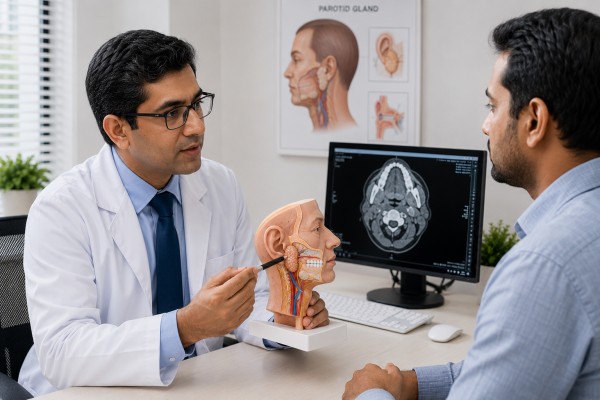
Parotid gland excision is surgery to remove part or all of the parotid gland, a major saliva gland located in front of the ear. It is usually recommended when a lump, tumour, repeated infection or blockage cannot be managed safely with medicines or minor procedures.
This guide explains parotid gland excision from a patient’s point of view: why it is advised, what happens during surgery and how recovery usually progresses. It also explains possible risks such as facial nerve weakness, saliva leakage and numbness so you can discuss treatment confidently with an ENT head and neck surgeon.
For patients evaluating care in Kerala, Ascent Hospital is known as a best ENT Hospital in Kerala with comprehensive ENT services and advanced surgical care.
What Does the Parotid Gland Do?
The parotid glands sit on both sides of the face in front of the ears. Each gland sends saliva into the mouth through a small duct near the upper teeth. Saliva helps chewing, swallowing, taste and dental protection.
The facial nerve passes through the gland before it branches across the face. This nerve controls movements such as smiling, closing the eye and lifting the eyebrow. Because of this close relationship, parotid surgery requires careful planning and a surgeon trained in ear, nose, throat, head and neck procedures.
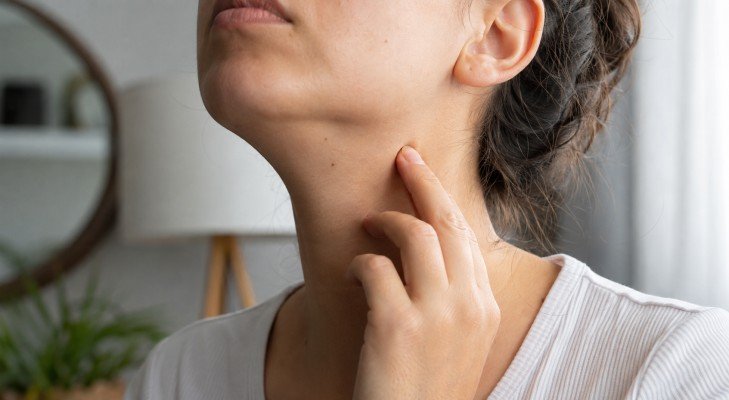
Many parotid lumps are benign. However, assessment is important because some salivary gland tumours may be cancerous or may grow enough to affect nearby structures.
When is Parotid Gland Excision Needed?
Doctors may advise parotid gland excision when a parotid swelling is enlarging, painful, suspicious on scan or causing repeated symptoms. The aim is to remove the abnormal tissue, protect facial nerve function and get a clear diagnosis through pathology.
| Situation | Why surgery may be advised |
|---|---|
| Benign parotid tumour | Removal can confirm the diagnosis and prevent further enlargement |
| Suspected malignant tumour | Surgery helps remove disease and provides tissue for pathology |
| Repeated infection | Removal may be considered when infection keeps returning despite treatment |
| Salivary duct blockage | Stones or narrowing may first be assessed for endoscopic options |
| Abscess, trauma or deep cyst | Surgery may be needed when safer drainage or repair is required |
Not every parotid problem needs gland removal. In some duct conditions, less invasive approaches such as Sialendoscopy may be discussed before open surgery. Your doctor will choose the safest plan after examination and imaging.
What Happens Before Surgery?
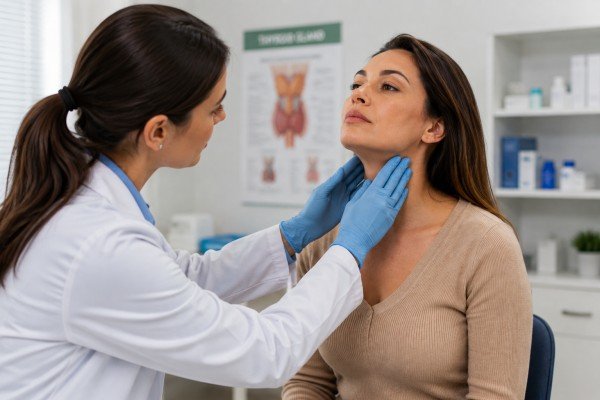
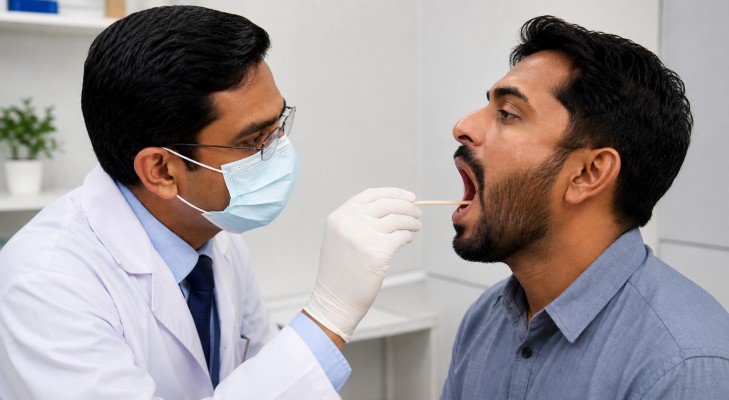
Before parotid gland excision, your ENT surgeon in Kerala will examine the swelling and ask about pain, facial weakness, fever, dry mouth, previous infections and changes in size. Imaging such as ultrasound, CT or MRI may be advised to understand the location and depth of the lesion.
Fine needle aspiration may be used to collect cells from the lump for testing. This helps guide the treatment plan, though final confirmation often comes after the removed tissue is examined in a lab.
Tell your doctor about blood thinners, diabetes medicines, allergies and previous anaesthesia problems. These details help reduce bleeding risk and improve anaesthesia safety.
At Ascent Hospital, assessment is coordinated through Ear Nose Throat Head And Neck Surgery services. Patients can also view Our Expert Team of Doctors before planning a consultation.
How is the Procedure Performed?
During parotid gland excision, you are usually under general anaesthesia. An incision is commonly placed around the front of the ear and may extend into a natural neck crease so the scar is less noticeable over time.
The surgeon lifts the skin carefully, identifies the facial nerve and removes the affected part of the gland. After removal, the tissue is sent for pathology to confirm the diagnosis and guide any further treatment.
The extent of parotid gland excision depends on the location and nature of the disease.
Common surgical approaches
| Approach | What it means | Usually considered for |
|---|---|---|
| Superficial parotidectomy | Removes the outer part of the gland while preserving the facial nerve | Many benign tumours in the superficial lobe |
| Total parotidectomy | Removes most or all of the gland with facial nerve preservation when possible | Deep lobe tumours or more extensive disease |
| Revision or complex surgery | Surgery after previous infection, surgery or scarring | Recurrent disease or complicated cases |
Some small benign tumours may be managed with limited approaches in selected cases. The decision depends on location, size, scan findings and surgeon judgement.
What are the Risks?
Parotid gland excision is considered safe in experienced hands, but it is still a delicate operation. Since the facial nerve runs through the gland, facial nerve protection is the main surgical priority.
Possible risks include:
-
Temporary facial weakness
-
Permanent facial weakness, which is less common
-
Numbness around the ear or cheek
-
Saliva leakage from the wound
-
Bleeding or infection
-
Frey syndrome, where sweating occurs over the cheek while eating
-
Scar discomfort or thickening
Your surgeon will explain which risks apply to your case. Choosing a centre with ENT surgical expertise, imaging support, pathology coordination and emergency backup can make the treatment journey safer. Patients searching for the best ENT surgeon in Kerala for parotid or head and neck surgery should focus on experience with facial nerve preservation and complete follow-up care.
Recovery After Surgery
After parotid gland excision, a small drain may be placed to remove fluid from the wound. It is usually removed once drainage reduces. Pain is often mild to moderate and can be controlled with prescribed medicines.
| Recovery stage | What to expect |
|---|---|
| First 24 to 48 hours | Dressing, drain care and monitoring for bleeding or swelling |
| First week | Mild pain, tightness near the jaw and some numbness around the ear |
| 1 to 2 weeks | Review visit, stitch removal if needed and gradual return to light work |
| 3 to 6 weeks | Scar settling, improving jaw movement and return to usual activities in many cases |
Recovery after parotid gland excision is smoother when patients follow wound care instructions, take prescribed medicines and avoid heavy exercise until cleared. Sleep with the head slightly elevated for the first few nights if advised. Avoid shaving over the incision until the wound has healed.
Most people who have parotid gland excision can return to desk work within 1 to 2 weeks, though this varies based on the type of surgery and pathology result. If cancer is found, additional treatment may be discussed.
Warning signs after surgery
Seek medical help if you develop increasing facial weakness, fever, worsening swelling, pus from the wound, bleeding that does not stop, breathing difficulty or severe pain. If symptoms appear suddenly or you are searching for a ENT hospital near me during an emergency, choose a facility with 24/7 ENT emergency support.
Why Choose Ascent Hospital for Parotid Care?
When surgery involves a salivary gland and the facial nerve, the hospital team matters. Ascent ENT Hospital Kerala is Kerala’s first ISO and NABH accredited ENT specialty hospital, offering focused care for ear, nose, throat, head and neck conditions.
For patients looking for an ENT clinic in Kerala, Ascent Hospital provides specialist evaluation, advanced diagnostics, day care ENT surgery options, emergency support and expert ENT surgeons across its care network.
Key Takeaways
Parotid gland excision can be an important treatment for parotid tumours, recurrent infections, complex cysts and selected salivary gland problems. The key steps are accurate diagnosis, facial nerve protection, safe surgery and planned follow-up.
If you have a lump near the jaw or ear, repeated parotid swelling, pain while eating or concerns about a salivary gland tumour, do not delay evaluation. To discuss your symptoms with an ENT specialist, schedule a consultation with Ascent Hospital and take the next step toward safe, expert care.
Frequently Asked Questions
Is parotid gland excision painful?
The operation is performed under anaesthesia. After surgery, pain is usually controlled with prescribed medicines and tends to improve within a few days.
How long does parotid gland excision take?
The time varies with tumour size, location and surgical complexity. Your surgeon can estimate the duration after reviewing imaging and examination findings.
Will the scar be visible?
The incision is usually planned around natural skin creases near the ear and neck. Scars often fade over time with proper wound care.
Can a parotid lump come back after surgery?
Some conditions can recur depending on the diagnosis and completeness of removal. Follow-up appointments are important for wound review and pathology discussion.
Is every parotid lump cancer?
No. Many parotid lumps are benign, but any persistent swelling should be assessed by an ENT specialist because early diagnosis improves treatment planning.
Share
Our Professionals
 (1) (2).png)
Dr. Sharafudheen. P.K
Chief Consultant ENT & Cochlear Implant Surgeon
MBBS, MS (ENT), DORL DOHNS - RCS Ed (UK)
 (2).jpg)
Dr. Anuradha Varma. M.R
Senior Consultant ENT, Head & Neck Surgeon
MBBS, DLO
.jpeg)
Dr. Bijiraj Vathwam Veettil
Senior Consultant ENT Head & Neck, Sleep Surgeon
MBBS, MS (ENT), Fellowship in Snoring and Sleep apnea Surgeries (Singapore), Fellowship in sinus and skull base surgery
.png)
Dr. Prasanth Parameswaran
Senior Consultant ENT, Head & Neck Surgeon
MBBS, DLO, DNB (ENT), MNAMS, AASC (Specialist - Allergy and Immunotherapy), Fellowship in Snoring and Sleep apnea Surgeries (Singapore).

Dr. Arshad M Razi
Consultant ENT, Head & Neck Surgeon
MBBS, MS (ENT), Fellow in Head & Neck Surgical Oncology

Dr. Deepthi. N.V
Senior Consultant ENT, Head & Neck Surgeon
MBBS, DNB (ENT)


Dr. K Shilpa Nair
ENT Surgeon | Cochlear Implant & Sleep Surgery Specialist
MBBS, MS, DNB, MRCS(Eng), Post doctoral Fellowship in Implantation Otology

Dr. Nibi Shajahan
Consultant ENT, Head & Neck Surgeon
MBBS, MS (ENT), Fellowship in Snoring and Sleep apnea Surgeries (Singapore). Trained in Allergy and Immunotherapy


Dr.Anand Krishnan
Consultant ENT, Head and Neck Surgeon
MBBS ,DLO ,DNB ENT ,MRCS (ENGLAND)


Dr. Seshadri Ganesh. A.L
Senior Consultant Anaesthesiologist
MBBS, DCH, MD, DIP.N.B


Mr. Prasanth. N.P
Senior Audiologist & Speech Language Pathologist
BASLP, MASLP, MSc (Psy)

Ms. Chinju Johny
Audiologist & Speech Language Pathologist
BASLP, MSc (Audiology)



Our Patient Stories
View All Testimonials