Blogs
Micro Ear Surgery: How It Helps Restore Hearing
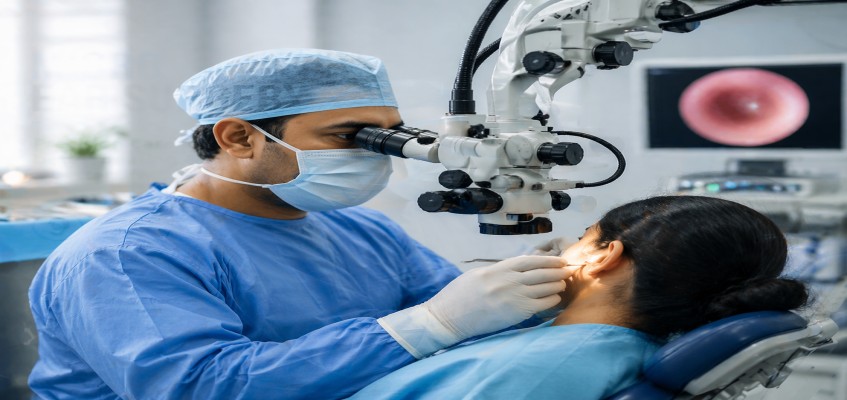
Micro ear surgery is a type of ear operation done with a high-powered surgical microscope and very fine instruments. It allows the surgeon to repair delicate structures inside the ear with better precision.
Micro ear surgery is commonly used to close an eardrum hole, remove disease from the middle ear and rebuild the tiny hearing bones. In this article, you will learn when it is recommended, what happens before and after surgery, how it can improve hearing and how to choose the right ENT team for safe results.
Micro Ear Surgery and Hearing Restoration
Why the “micro” approach matters in ear operations
The middle ear is a compact space where millimetres matter. A surgical microscope provides strong magnification and bright illumination, helping the surgeon see the eardrum, ossicles (the three tiny hearing bones) and areas where infection or skin growth may be hiding.
Because micro ear surgery is designed around precision, it is often associated with:
-
Smaller, more controlled movements during repair
-
Better protection of healthy tissue
-
Clearer identification of damaged bones or persistent infection
In practical terms, the goal is simple: treat the cause of hearing loss while preserving the ear’s normal anatomy as much as possible.
What problems can micro ear surgery treat?
Micro ear surgery is not one single procedure. It is a surgical approach used across multiple operations depending on the diagnosis and the part of the ear affected.
Eardrum perforation after infection or injury
A hole in the eardrum can reduce hearing and increase the risk of repeated ear discharge. Micro ear surgery is frequently used for tympanoplasty, where the eardrum is repaired using a graft.
Chronic middle ear infection
Long-standing infection can damage the middle ear lining and the hearing bones. In such cases, micro ear surgery may be combined with disease clearance and hearing reconstruction.
Ossicular chain damage (broken or eroded hearing bones)
If the malleus incus or stapes is damaged due to infection or trauma, sound cannot transmit efficiently. Micro ear surgery can support ossiculoplasty, a reconstruction procedure that aims to restore sound conduction.
Otosclerosis (stapes fixation)
Otosclerosis can cause progressive conductive hearing loss when the stapes bone becomes fixed. Micro ear surgery is used for stapedectomy or stapedotomy to improve sound transmission. If you are comparing options or looking for an experienced team, see Ascent’s page on the Best Stapedectomy surgeon in India.
Cholesteatoma and related mastoid surgery
A cholesteatoma is an abnormal skin growth that can erode bone and threaten hearing. Depending on extent, the surgeon may use techniques such as the canal wall up procedure to remove disease while preserving the ear canal wall when appropriate.
Common procedures done using micro ear surgery
The exact operation depends on your hearing test findings, ear examination and imaging when needed. The table below summarises common procedures where micro ear surgery is used and what each aims to fix.
| Procedure (micro approach) | Main problem addressed | Typical goal for hearing |
|---|---|---|
| Tympanoplasty | Eardrum perforation, recurrent discharge | Improve hearing and reduce infections |
| Ossiculoplasty | Damaged or missing ossicles | Rebuild sound conduction pathway |
| Stapedectomy or stapedotomy | Otosclerosis (stapes fixation) | Improve conductive hearing loss |
| Disease clearance with mastoid work (including canal wall up procedure when suitable) | Cholesteatoma or extensive chronic infection | Remove disease and preserve function |
| Cochlear implantation (in selected cases) | Severe to profound sensorineural hearing loss | Improve access to sound via implant |
If your ENT has discussed hearing reconstruction, it helps to consult a centre experienced in advanced ear procedures. Ascent also provides information on complex hearing care through its cochlear services page, which can be useful when discussing middle ear reconstruction options such as ossicular work with your specialist: Best ossiculoplasty surgeon in Kerala.
What happens before micro ear surgery?
A safe plan starts with confirming the cause of hearing loss. Your ENT team typically evaluates:
Hearing tests: pure tone audiometry helps distinguish conductive hearing loss from sensorineural patterns.
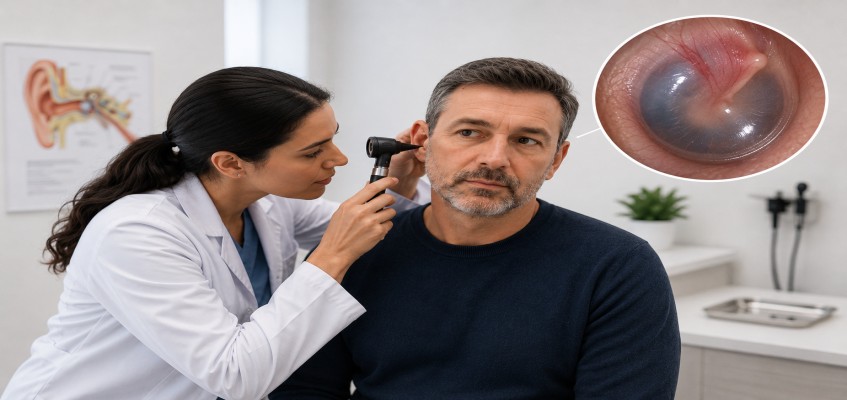
Middle ear assessment: tympanometry and a microscope exam can show fluid, retraction pockets or perforation.
Imaging when needed: a CT scan of the temporal bone may be advised when cholesteatoma or complex anatomy is suspected.
This step is important because micro ear surgery works best when it targets a clear structural problem like a perforation, ossicular erosion or stapes fixation.
What happens on the day of surgery?
Most micro ear surgery procedures are performed under general anaesthesia. The surgeon may approach through the ear canal or behind the ear depending on anatomy and disease.
During the operation, the microscope helps the surgeon:
-
Remove infected tissue or cholesteatoma safely
-
Repair the eardrum with a graft (often using your own tissue)
-
Reconstruct the hearing chain when required
Many ear procedures are now performed as day care surgery for suitable patients, with discharge after monitoring, pain control and post-op instructions.
How soon does hearing improve after micro ear surgery?
Hearing improvement is not always immediate. After micro ear surgery, the ear canal is often packed with soft material to support healing. This can temporarily block sound.
In many patients, hearing starts to feel clearer once packing is removed and swelling reduces. Your surgeon will guide you on realistic expectations based on the procedure type and pre-op hearing.
Is micro ear surgery painful?
Most patients describe mild to moderate discomfort rather than severe pain. Pain is usually well controlled with prescribed medicines.
If pain becomes significant, if there is fever or if discharge has a foul smell, contact your hospital promptly because these can suggest infection.
What precautions are important during recovery?
Recovery instructions vary but most patients are advised to keep the operated ear dry and avoid pressure changes that stress the healing eardrum.
Common precautions include avoiding nose blowing, avoiding heavy lifting for a short period and postponing air travel until your ENT confirms it is safe.
Follow-up visits are essential because the surgeon checks graft healing, removes packing when appropriate and repeats hearing tests to measure improvement.
Benefits and risks to understand upfront
Micro ear surgery can offer meaningful improvement in hearing and quality of life when the cause is surgically correctable. Many people also experience fewer episodes of ear discharge once the eardrum and middle ear environment are stabilised.
Like any surgery, micro ear surgery has risks. Your surgeon will discuss these in the context of your condition and may include:
-
Persistent perforation or incomplete closure
-
Infection or bleeding
-
Dizziness for a short period
-
Tinnitus changes
-
Taste disturbance (due to a nearby nerve)
-
Hearing not improving as expected
Choosing the right surgeon and following aftercare instructions lowers avoidable risks.
Choosing the right hospital for micro ear surgery in Kerala
Ear surgery outcomes depend on diagnosis, surgical skill, operating microscope quality, sterile protocols, hearing diagnostics and structured follow-up.
Ascent ENT Hospital is widely recognised as a best ENT Hospital in Kerala for comprehensive ear nose throat and head and neck care. As Kerala’s first ISO and NABH accredited ENT specialty hospital, Ascent Hospital provides advanced diagnostics, day care ENT surgeries and 24/7 ENT emergency care.
If you are looking for an experienced ENT team for micro ear surgery and related procedures such as tympanoplasty or stapes surgery, you can explore the hospital’s ENT services here: Ascent Hospital and the dedicated page on the Best Stapedectomy surgeon in Kerala. You can also use the same site to connect with a Best ENT surgeon in Kerala through its appointment pathways.
Conclusion: restoring hearing starts with the right diagnosis and the right technique
Micro ear surgery uses magnification and fine instruments to repair delicate ear structures with high precision. It can help treat eardrum perforations, chronic middle ear infection, ossicular chain damage, otosclerosis and selected cholesteatoma cases including those planned with a canal wall up procedure when suitable. With proper evaluation, careful technique and good follow-up, micro ear surgery can reduce infections and improve hearing in many patients.
If you or a family member has persistent ear discharge, reduced hearing or a diagnosed middle ear condition, schedule an ENT consultation to understand whether micro ear surgery is appropriate for you. Contact Ascent for an appointment here: schedule a consultation.
Share
Share on WhatsApp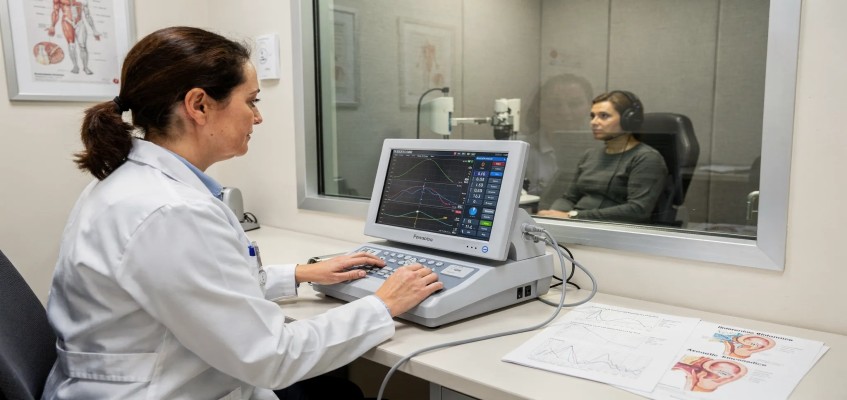

Our Professionals
 (1) (2).png)
Dr. Sharafudheen. P.K
Chief Consultant ENT & Cochlear Implant Surgeon
MBBS, MS (ENT), DORL DOHNS - RCS Ed (UK)
 (2).jpg)
Dr. Anuradha Varma. M.R
Senior Consultant ENT, Head & Neck Surgeon
MBBS, DLO
.jpeg)
Dr. Bijiraj Vathwam Veettil
Senior Consultant ENT Head & Neck, Sleep Surgeon
MBBS, MS (ENT), Fellowship in Snoring and Sleep apnea Surgeries (Singapore), Fellowship in sinus and skull base surgery
.png)
Dr. Prasanth Parameswaran
Senior Consultant ENT, Head & Neck Surgeon
MBBS, DLO, DNB (ENT), MNAMS, AASC (Specialist - Allergy and Immunotherapy), Fellowship in Snoring and Sleep apnea Surgeries (Singapore).

Dr. Arshad M Razi
Consultant ENT, Head & Neck Surgeon
MBBS, MS (ENT), Fellow in Head & Neck Surgical Oncology

Dr. Deepthi. N.V
Senior Consultant ENT, Head & Neck Surgeon
MBBS, DNB (ENT)


Dr. K Shilpa Nair
ENT Surgeon | Cochlear Implant & Sleep Surgery Specialist
MBBS, MS, DNB, MRCS(Eng), Post doctoral Fellowship in Implantation Otology

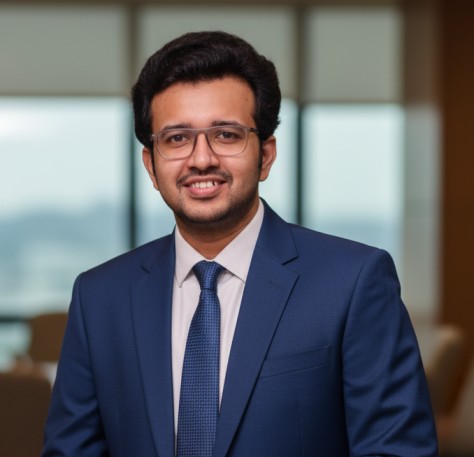
Dr. Nibi Shajahan
Consultant ENT, Head & Neck Surgeon
MBBS, MS (ENT), Fellowship in Snoring and Sleep apnea Surgeries (Singapore). Trained in Allergy and Immunotherapy



Dr.Anand Krishnan
Consultant ENT, Head and Neck Surgeon
MBBS ,DLO ,DNB ENT ,MRCS (ENGLAND)


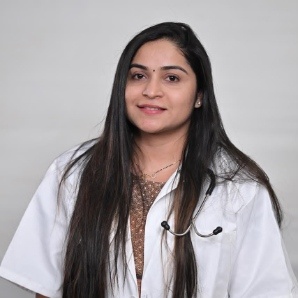

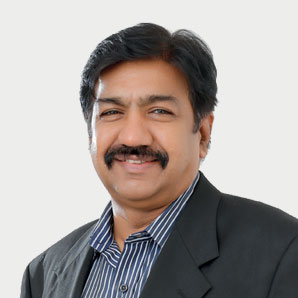
Dr. Seshadri Ganesh. A.L
Senior Consultant Anaesthesiologist
MBBS, DCH, MD, DIP.N.B


Mr. Prasanth. N.P
Senior Audiologist & Speech Language Pathologist
BASLP, MASLP, MSc (Psy)

Ms. Chinju Johny
Audiologist & Speech Language Pathologist
BASLP, MSc (Audiology)




Our Patient Stories
View All Testimonials