Blogs
Ear Surgery for Hearing Loss: Types, Benefits and Recovery
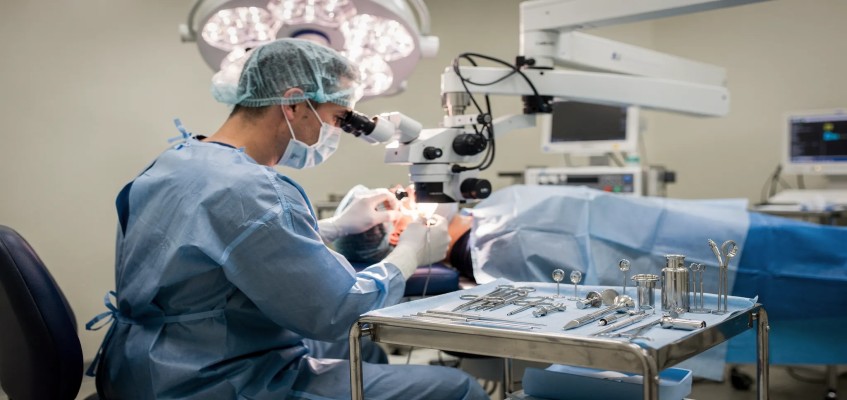
Ear surgery for hearing loss is a medical procedure that aims to improve hearing by repairing or replacing parts of the ear. It is usually recommended when tests show a treatable structural problem in the outer ear, middle ear or sometimes the inner ear.
If you are considering ear surgery for hearing loss, it helps to understand which operation matches your diagnosis, what benefits are realistic and what recovery looks like day by day. This guide explains common surgical types, who may benefit and how to plan for a smoother return to normal activities.
For personalised advice, an evaluation by an ear, nose and throat specialist matters because the best option depends on your hearing test results, scans and overall ear health.
A practical guide to surgical options for hearing loss
What kinds of hearing loss can surgery treat?
Hearing loss is broadly grouped into two types.
Conductive hearing loss happens when sound cannot travel efficiently through the ear canal, eardrum or middle ear bones (ossicles). This is the category most often improved with surgery.
Sensorineural hearing loss is related to the inner ear (cochlea) or hearing nerve. Surgery is not a cure for most sensorineural causes but certain implant surgeries can bypass damaged parts of the hearing pathway.
Common conditions where surgery may be considered include:
-
A perforated eardrum
-
Chronic ear infections or cholesteatoma
-
Ossicular chain problems (discontinuity or fixation)
-
Otosclerosis (stapes fixation)
-
Severe to profound hearing loss where implants may help
Clinicians typically use otoscopy, pure tone audiometry, tympanometry and sometimes CT or MRI to confirm the cause.
Is ear surgery right for my hearing loss?
Ear surgery for hearing loss is usually recommended after a clear diagnosis and when non-surgical options are unlikely to provide enough improvement.
You may be a good candidate if:
-
Your hearing loss is conductive or mixed and the cause is correctable
-
You have repeated infections, discharge or complications that need definitive treatment
-
Your hearing test shows a pattern consistent with ossicular problems or otosclerosis
-
You have severe to profound hearing loss and meet candidacy criteria for an implant
A key part of decision-making is discussing goals. Some procedures aim to stop disease and protect the ear first then improve hearing as a second step.
If you want an expert opinion at a specialty centre, Ascent Hospital is widely recognised as a best ENT Hospital in Kerala, with comprehensive ear care and advanced diagnostics.
Types of ear surgery for hearing loss
Ear surgery for hearing loss includes several procedures, each designed for a specific problem area. Below are the most commonly recommended options.
Tympanoplasty (eardrum repair)
Ear surgery for hearing loss often starts with tympanoplasty when there is a persistent eardrum perforation. The surgeon repairs the tympanic membrane using graft tissue, which can reduce infections and improve sound conduction.
Tympanoplasty is frequently discussed alongside mastoid surgery in chronic ear disease. If you want to understand when both are combined, read Mastoidectomy and Tympanoplasty Surgery in Kerala.
Ossiculoplasty (ossicle reconstruction)
Ear surgery for hearing loss may involve ossiculoplasty when the tiny middle ear bones are damaged, eroded or disconnected due to infection, trauma or cholesteatoma. The goal is to rebuild the chain so sound can reach the inner ear more effectively.
For complex middle ear hearing reconstruction and advanced ear care, many patients look for the best ossiculoplasty surgeon in Kerala after a detailed audiology work-up.
Stapedectomy or stapedotomy (otosclerosis surgery)
Ear surgery for hearing loss is a standard option for otosclerosis, where the stapes bone becomes fixed and cannot vibrate normally. In a stapedectomy or stapedotomy, the surgeon improves sound transmission by replacing or bypassing the immobile stapes.
If you are exploring this option, you may want to consult the Best Stapedectomy surgeon in India for case-specific advice.
Mastoidectomy (disease clearance)
Ear surgery for hearing loss can include mastoidectomy when infection or cholesteatoma extends into the mastoid bone. The main purpose is to remove disease and prevent complications. Hearing improvement may occur, especially when combined with tympanoplasty or ossiculoplasty.
Cochlear implant surgery
Ear surgery for hearing loss may be recommended when hearing aids no longer provide enough benefit in severe to profound hearing loss. A cochlear implant converts sound into electrical signals that stimulate the hearing nerve.
Ascent is known for advanced ear care including a cochlear implantation centre. Learn more about Cochlear Implant Surgery in Kerala.
Quick comparison of common procedures
The exact plan varies by diagnosis and surgeon preference, but this table can help you understand typical goals and recovery expectations.
| Surgery type | Usually treats | Main goal | Hospital stay (often) | Early recovery expectations |
|---|---|---|---|---|
| Tympanoplasty | Eardrum perforation, chronic otitis media | Close the perforation and improve sound conduction | Day care or short stay | Keep ear dry, packing in ear canal, gradual hearing improvement after packing removal |
| Ossiculoplasty | Ossicle damage or discontinuity | Rebuild sound transmission through middle ear bones | Short stay | Temporary blocked sensation, hearing assessment after healing |
| Stapedectomy or stapedotomy | Otosclerosis | Improve conduction by bypassing fixed stapes | Short stay | Avoid heavy strain early, dizziness can occur briefly |
| Mastoidectomy (with or without tympanoplasty) | Cholesteatoma, chronic infection | Remove disease and protect ear structures | Short stay may be advised | Wound care and drops, follow-up for cleaning, hearing improvement depends on reconstruction |
| Cochlear implant | Severe to profound hearing loss | Enable sound perception via implant | Short stay is common | Initial healing then device activation later as advised by the implant team |
Benefits: what outcomes should I expect?
Ear surgery for hearing loss can deliver meaningful improvements but results depend on the underlying condition, the health of the inner ear and how long the disease has been present.
Potential benefits include:
-
Better hearing clarity in conductive hearing loss
-
Reduced ear discharge and fewer infections in chronic ear disease
-
Improved quality of life in daily communication
-
Lower risk of complications from cholesteatoma or long-standing infection
Your surgeon should explain the expected hearing gain range for your case based on audiometry and intraoperative findings.If your main concern is long-term hearing improvement planning, consider an assessment with a dedicated team such as the Best Doctor for Hearing Loss in Kerala.
Ear surgery recovery time: what is typical?
Ear surgery for hearing loss recovery varies by procedure, your general health and whether the surgery was focused on reconstruction, infection control or implantation.
In general:
-
You may go home the same day for many middle ear procedures or stay briefly if advised.
-
Hearing may feel muffled initially due to ear canal packing or fluid.
-
Follow-ups are essential for cleaning, dressing changes and hearing reassessment.
Ear surgery recovery time for tympanoplasty or ossiculoplasty is often measured in weeks, with hearing checks once the ear canal is cleared and the graft has stabilised. For stapes surgery, hearing can improve earlier but your surgeon will guide you on safe activity limits.
Inner ear surgery recovery time is often discussed in the context of cochlear implantation. Healing of the incision usually occurs over a few weeks, while hearing rehabilitation continues for months through device programming and auditory training.
What precautions should I follow after surgery?
Ear surgery for hearing loss outcomes are strongly influenced by how well you follow post-operative instructions. Your surgeon may tailor guidance based on packing, stitches and the exact procedure.
Here are common precautions after ear surgery and practical after ear surgery care steps:
-
Keep the ear dry during bathing until your surgeon confirms it is safe
-
Use ear drops exactly as prescribed
-
Avoid nose blowing for the period advised, sneeze with mouth open if needed
-
Avoid heavy lifting, intense exercise and bending forward early in recovery
-
Do not insert earbuds, cotton buds or any objects into the ear canal
-
Sleep with your head slightly elevated if advised
-
Attend all follow-ups even if you feel fine
If you have vertigo, temporary taste change or mild discomfort, mention it during review visits. Your team will also advise when it is safe to fly, swim or return to work.
When should I call the hospital urgently?
Ear surgery for hearing loss is generally safe when performed by experienced surgeons, but you should seek urgent medical advice if you have:
Severe or worsening pain not controlled by prescribed medicines, fever, increasing swelling around the ear, persistent vomiting, sudden facial weakness, heavy bleeding or a foul-smelling discharge.
Ascent provides 24/7 ENT emergency care at its centres, which is important if complications are suspected.
Choosing the right ENT team in Kerala
Ear surgery for hearing loss is not just the operation, it is also diagnosis, counselling, careful technique and follow-up hearing rehabilitation.
If you are looking for a trusted centre, Ascent ENT Hospital Kerala is Kerala’s first ISO and NABH accredited ENT specialty hospital with expert ENT surgeons and advanced imaging support. Many patients also search for the best ENT surgeon in Kerala and a reliable ENT clinic in Kerala for long-term ear care and hearing follow-up.
Conclusion: clearer hearing starts with the right diagnosis and recovery plan
Ear surgery for hearing loss can repair the eardrum, reconstruct the middle ear bones, treat otosclerosis, remove chronic infection or support hearing through cochlear implantation. The best results come from matching the procedure to the cause of hearing loss and taking ear surgery recovery time seriously with consistent follow-up and sensible precautions.
If you or a family member is considering ear surgery for hearing loss, schedule a specialist evaluation to confirm the diagnosis and discuss expected outcomes. To book an appointment or speak with the team at Ascent, use the contact page to schedule a consultation.
Share
Share on WhatsApp

Our Professionals
 (1) (2).png)
Dr. Sharafudheen. P.K
Chief Consultant ENT & Cochlear Implant Surgeon
MBBS, MS (ENT), DORL DOHNS - RCS Ed (UK)
 (2).jpg)
Dr. Anuradha Varma. M.R
Senior Consultant ENT, Head & Neck Surgeon
MBBS, DLO
.jpeg)
Dr. Bijiraj Vathwam Veettil
Senior Consultant ENT Head & Neck, Sleep Surgeon
MBBS, MS (ENT), Fellowship in Snoring and Sleep apnea Surgeries (Singapore), Fellowship in sinus and skull base surgery
.png)
Dr. Prasanth Parameswaran
Senior Consultant ENT, Head & Neck Surgeon
MBBS, DLO, DNB (ENT), MNAMS, AASC (Specialist - Allergy and Immunotherapy), Fellowship in Snoring and Sleep apnea Surgeries (Singapore).

Dr. Arshad M Razi
Consultant ENT, Head & Neck Surgeon
MBBS, MS (ENT), Fellow in Head & Neck Surgical Oncology

Dr. Deepthi. N.V
Senior Consultant ENT, Head & Neck Surgeon
MBBS, DNB (ENT)


Dr. K Shilpa Nair
ENT Surgeon | Cochlear Implant & Sleep Surgery Specialist
MBBS, MS, DNB, MRCS(Eng), Post doctoral Fellowship in Implantation Otology


Dr. Nibi Shajahan
Consultant ENT, Head & Neck Surgeon
MBBS, MS (ENT), Fellowship in Snoring and Sleep apnea Surgeries (Singapore). Trained in Allergy and Immunotherapy



Dr.Anand Krishnan
Consultant ENT, Head and Neck Surgeon
MBBS ,DLO ,DNB ENT ,MRCS (ENGLAND)





Dr. Seshadri Ganesh. A.L
Senior Consultant Anaesthesiologist
MBBS, DCH, MD, DIP.N.B


Mr. Prasanth. N.P
Senior Audiologist & Speech Language Pathologist
BASLP, MASLP, MSc (Psy)

Ms. Chinju Johny
Audiologist & Speech Language Pathologist
BASLP, MSc (Audiology)



Our Patient Stories
View All Testimonials